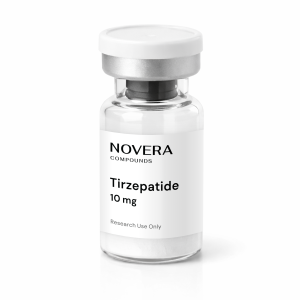
Research Classification and Molecular Context
Metabolic Peptides are classified according to documented molecular relevance to metabolic signalling systems and cellular energy-regulation models. These compounds may be studied as receptor ligands, pathway probes, or molecular research tools in defined experimental systems.
Research involving Metabolic Peptides may focus on incretin receptor activity, insulin-associated signalling, adipocyte pathway models, pancreatic beta-cell systems, mitochondrial function, and metabolic gene expression.
Classification is based on mechanistic research profiles only and does not imply therapeutic or clinical activity.
Research Applications
Incretin Receptor and Metabolic Signalling Research
Metabolic Peptides may appear in studies involving incretin receptor systems and metabolic pathway models. Experimental endpoints may include:
- GLP-1 receptor pathway analysis
- GIP-related signalling research
- Ligand-receptor binding assays
- cAMP signalling measurement
- Downstream pathway activation
These studies describe molecular activity in controlled laboratory systems.
Glucose-Associated and Insulin Signalling Models
Some Metabolic Peptides may be studied in glucose-associated pathway research or insulin signalling models. Research endpoints may include:
- Insulin receptor pathway analysis
- Glucose uptake assays in cell models
- AMPK pathway research
- Gene expression profiling
- Metabolic marker quantification
No findings from these models should be interpreted as effects on glucose control in humans.
Adipocyte and Mitochondrial Function Studies
Metabolic Peptides may also be investigated in adipocyte biology and mitochondrial bioenergetic research. Experimental areas may include:
- Adipocyte differentiation models
- Lipid metabolism marker studies
- Mitochondrial membrane potential assays
- ATP production pathway research
- Oxygen consumption rate analysis
- ROS marker quantification
These applications support metabolic pathway investigation in vitro only.
Selecting Metabolic Peptides for Research
Researchers selecting Metabolic Peptides typically evaluate:
- Receptor target profile
- Documented metabolic pathway relevance
- Cell model compatibility
- Sequence identity and molecular weight
- Solubility and stability
- COA-confirmed purity
- Lot-specific documentation
Elivena provides product specifications and quality documentation where available.
Elivena does not provide experimental design guidance, dosing information, administration instructions, or interpretation of research outcomes.
Supply and Quality Standards
Metabolic Peptides are supplied as research-use-only biochemical compounds. Documentation may include:
- Certificate of Analysis
- HPLC-verified purity
- Molecular identity confirmation
- Batch-specific specifications
- Storage and handling requirements
- Research-use-only classification
Elivena does not supply these compounds for human or veterinary administration.