Your cart is empty.
Your cart is empty.
Elivena supplies Regenerative Peptides as research-grade compounds intended exclusively for qualified researchers, laboratories, and scientific institutions. This category includes peptide compounds studied in cellular repair models, extracellular matrix organization, fibroblast activity, angiogenesis signalling, inflammatory marker research, and tissue-remodelling pathway analysis.
All materials in this category are supplied strictly for laboratory and scientific research use. They are not intended for human use, wound care, medical treatment, tissue repair procedures, diagnosis, therapeutic use, or clinical administration.
Erythropoietin-derived peptide with anti-inflammatory and neuroprotective properties. 10mg vial.
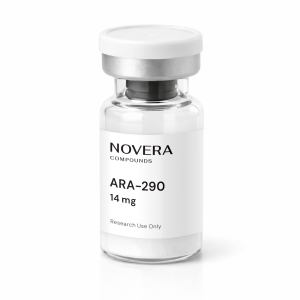
Erythropoietin-derived peptide with anti-inflammatory and neuroprotective properties. 14mg vial.
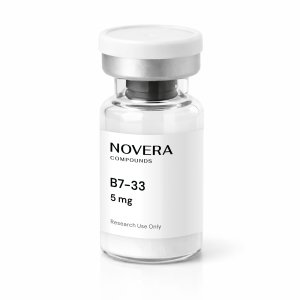
Relaxin-derived analogue with anti-fibrotic and cardioprotective peptide properties. 5mg vial.
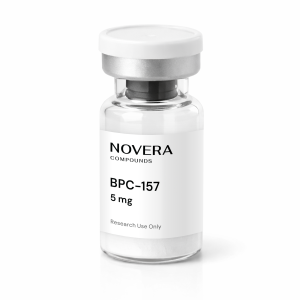
Synthetic pentadecapeptide promoting tissue healing, gut repair, and joint recovery. 5mg vial.
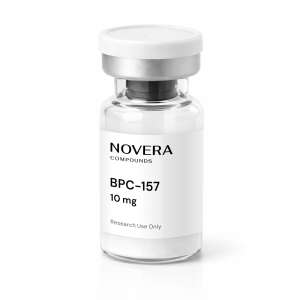
Synthetic pentadecapeptide promoting tissue healing, gut repair, and joint recovery. 10mg vial.
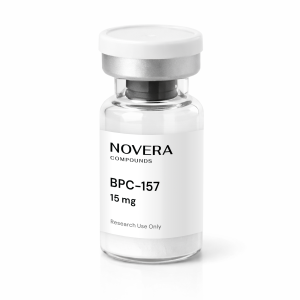
Synthetic pentadecapeptide promoting tissue healing, gut repair, and joint recovery. 15mg vial.
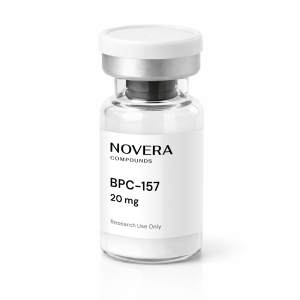
Synthetic pentadecapeptide promoting tissue healing, gut repair, and joint recovery. 20mg vial.
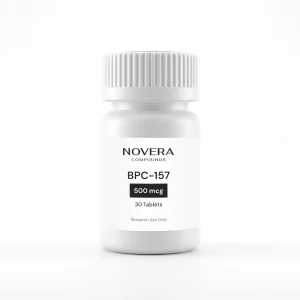
Synthetic pentadecapeptide for tissue healing, gut repair, and joint recovery. 30 tabs, 500mcg each.
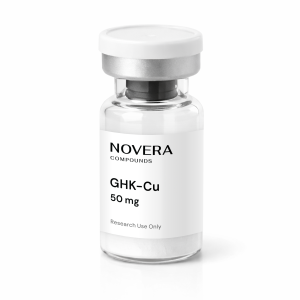
Cartilage peptide bioregulator supporting connective tissue repair and joint health. 50mg vial.
Bronchial peptide bioregulator supporting lung tissue function and respiratory health. 50mg vial.
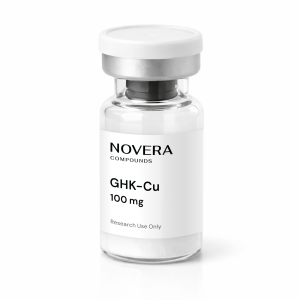
Copper-binding tripeptide promoting skin regeneration, wound healing, and anti-aging. 50mg vial.
We work with leading pharmaceutical brands specializing in Regenerative Peptides medications, selected for their clinical reliability, regulatory compliance, and consistent treatment outcomes.
Regenerative Peptides are classified according to their documented use in laboratory models related to cellular repair pathways and tissue-remodelling mechanisms. These compounds may be studied for their interactions with extracellular matrix components, fibroblast signalling systems, endothelial cell responses, and inflammation-associated pathways.
Research involving Regenerative Peptides may focus on how specific amino acid sequences interact with cell migration, collagen regulation, angiogenesis signalling, and matrix turnover systems under controlled experimental conditions.
Classification is based only on mechanistic research profiles, molecular targets, and laboratory applications described in scientific contexts.
Regenerative Peptides may be investigated in fibroblast-based assays and cell migration models. Common endpoints may include:
These studies evaluate cellular behaviour in vitro and do not describe wound healing or tissue repair in humans.
Laboratory studies may examine how selected peptides interact with matrix remodelling pathways. Research endpoints may include:
All findings are limited to defined experimental systems.
Regenerative Peptides may also be studied in endothelial cell models and inflammatory mediator assays. Research areas may include:
These applications support controlled molecular investigation only.
Researchers may evaluate Regenerative Peptides based on:
Elivena provides compound-specific product information where available, including format, storage instructions, and quality documentation.
Elivena does not provide experimental protocols, dosing guidance, or interpretation of research findings.
Regenerative Peptides are supplied as research-use-only biochemical compounds. Available documentation may include:
Elivena does not supply these materials for human or veterinary administration.
Thymosin Beta 4 TB500 5mg is used in tissue repair research studies as it supports recovery
Synthetic pentadecapeptide promoting tissue healing, gut repair, and joint recovery. 15mg vial.
They are studied in laboratory models involving cellular repair pathways, fibroblast activity, extracellular matrix remodelling, angiogenesis signalling, and inflammatory marker analysis.
No. Products in this category are not supplied for clinical use, wound care, medical procedures, treatment, or therapeutic administration.
Common models may include fibroblast cultures, endothelial cell assays, cell migration studies, collagen expression analysis, and inflammatory pathway models.
All products are sold for Research Use Only. To continue you confirm that you are qualified research professional aged 21 or older.