 Best Sellers
 Metabolic
 Regenerative
 Secretagogues
 Bioregulators
 Neuropeptides





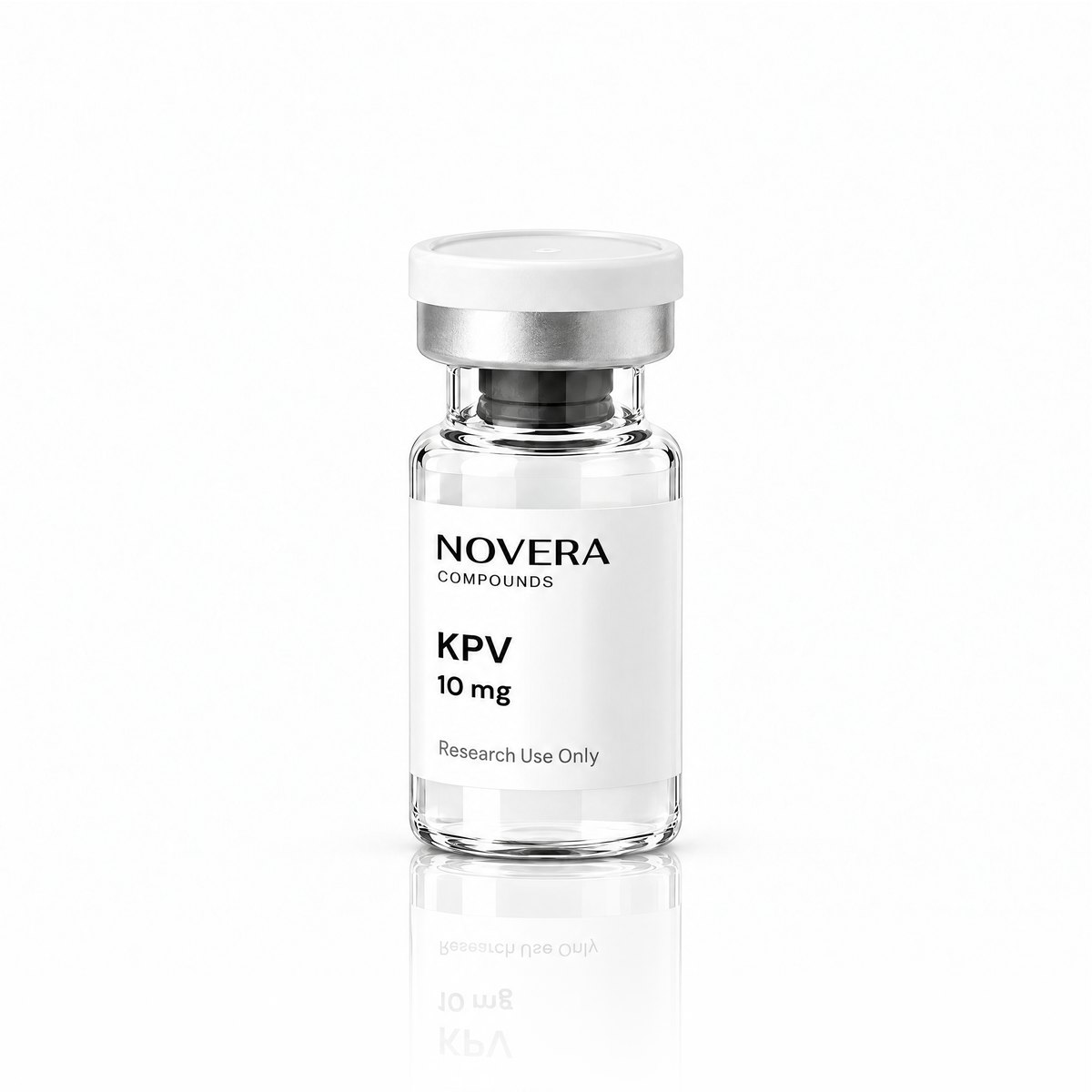
Lab report published:
KPV
For research and laboratory use only. Not for human or animal consumption.
Fast & Secure
Shipping
Shipping
Third-Party
Lab Tested
Lab Tested
Wrong or damaged?
Reship or refund
Reship or refund
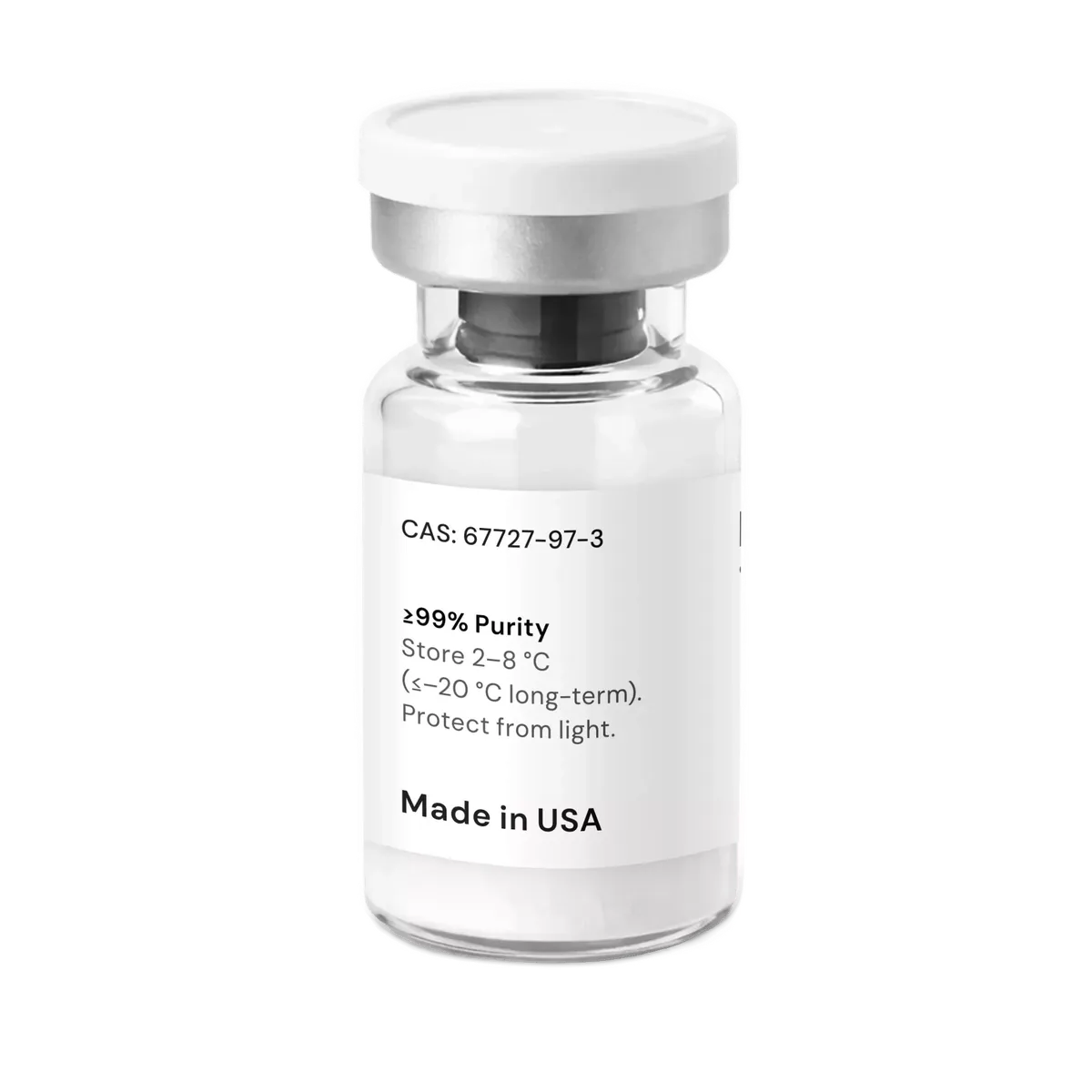
Storage & handling: Store at 2–8 °C (≤ –20 °C long-term), away from light. Ships at ambient temperature.
How we test
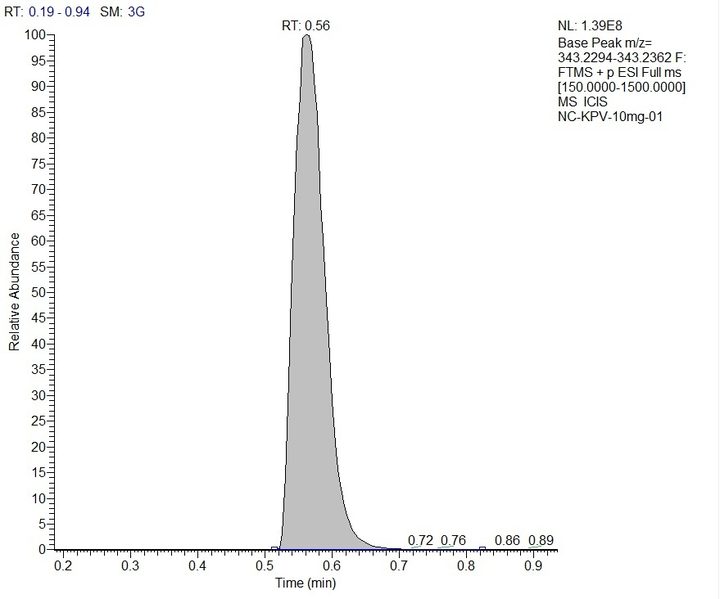
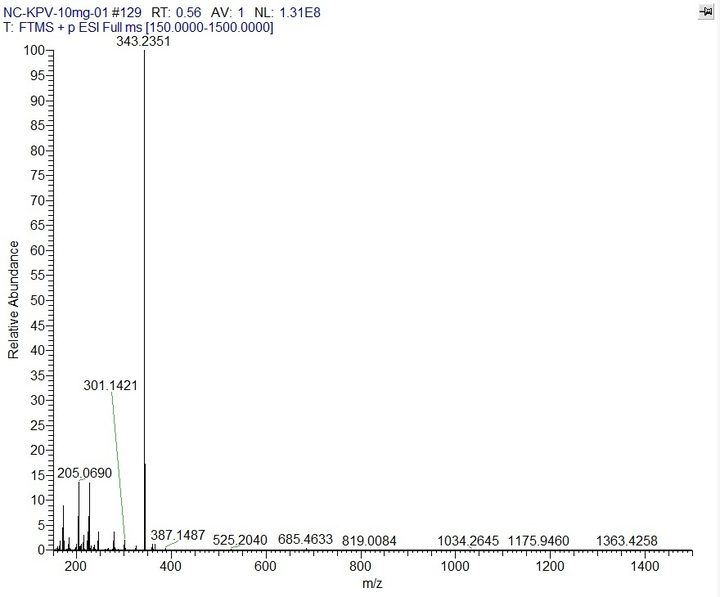
Certificates are issued by independent labs. Identity and purity are measured by LC-MS; endotoxin, where listed, by a LAL screen. The latest report for this option: , lot , tested .
How to read your COA
Start with the lot number on the report. Identity confirms by mass spectrometry that the molecule is the one on the label. Purity is the share of the sample that is the target peptide, measured by LC-MS. Endotoxin, where tested, is screened by LAL and must sit below 0.5 EU/mL. The lab name and test date show who ran it and when.
Shipping
Regular tracked: $15 per order, 5 to 10 days. Express tracked: $25 per order, 3 to 5 days. Orders are dispatched within 24–48 business hours. Regular shipping is free on orders over $200 and express on orders over $400, after discounts.
Research & Education Tool
Peptide Dosage Calculator
Enter the vial amount, diluent volume, and target amount to estimate concentration, the draw volume on a U-100 syringe, and approximate vial yield.
For research and educational use only. Check all values against the product label, certificate of analysis, and any applicable professional guidance before relying on the result.
mg Common targets
Concentration
-
mcg / mL
Volume per Dose
-
-
Estimated Draws / Vial
-
rounded down to whole draws
Draw Reference
Enter values to estimate the syringe mark.
0
-
-
-
-
Buy KPV peptide online through our secure research supply platform designed for institutional procurement. When you order KPV peptide online, the process accommodates laboratory purchasing requirements and documentation needs. Our platform allows researchers to buy KPV peptide with confidence in product quality and delivery reliability. Order KPV peptide directly for your research facility with discreet and secure shipping. This product is furnished for in-vitro studies only and is not for human consumption. Not approved by regulatory agencies to prevent, treat, or cure any medical condition. Bodily introduction into humans or animals is strictly forbidden by law. The secure ordering process protects institutional information and research project confidentiality. Reliable delivery ensures research compounds arrive intact and ready for laboratory storage.
Product overview
Researchers investigate KPV peptide within controlled laboratory environments to examine peptide fragment properties and molecular mechanisms. Experimental pathway models utilize this compound to study tripeptide interactions in vitro. Controlled laboratory peptide stability studies assess compound characteristics under standardized experimental conditions. Scientists explore structural attributes of short-chain peptide fragments in research settings. Laboratory personnel examine tripeptide behavior in experimental models designed for peptide fragment research. These investigations occur exclusively in controlled research environments without clinical applications.
Research focus
KPV peptide is investigated in research environments to understand tripeptide fragment mechanisms. This compound is studied within controlled laboratory models examining short-chain peptide properties. Researchers explore this peptide for experimental peptide research applications in academic and institutional settings. Laboratory studies examine the compound’s molecular characteristics under standardized protocols. Scientists investigate structural properties relevant to tripeptide fragment research methodologies. All research applications remain confined to laboratory environments and experimental frameworks.
Methodological notes
Store KPV peptide in cool, dry conditions protected from light exposure. Storage temperature should remain consistent to maintain compound stability. Keep the product sealed until ready for laboratory use. Laboratory handling should occur only by qualified research personnel trained in peptide research protocols. Avoid exposure to moisture, heat, and direct sunlight during storage. Use appropriate laboratory equipment when handling this research compound. Reconstitution should follow standard laboratory peptide preparation procedures using sterile techniques. Maintain proper documentation of handling and storage conditions for research records. Dispose of unused material according to institutional laboratory waste protocols.
Quality & sourcing
Each batch undergoes comprehensive purity verification procedures to confirm research-grade quality. Third-party testing validates compound purity at 99%+ by LC-MS analysis. Batch-to-batch consistency ensures reliable results across research protocols. Certificate of Analysis accompanies each order documenting purity verification results. Internal quality assurance standards maintain strict compound specifications. Testing procedures verify molecular weight, purity percentage, and compound identity. Research-grade supply positioning ensures suitability for controlled laboratory investigations. Quality control documentation supports institutional research compliance requirements.
Chemical properties
- CAS: 67727-97-3
- Chemical Formula: C₁₆H₃₀N₄O₄
- Molecular Weight: 342.43 g/mol
- Peptide Sequence: Lys-Pro-Val
- Synonyms: Lysine Proline Valine
- Shelf life: 24 months from the manufacturing date.
KPV peptide is a synthetic tripeptide compound produced for research applications. A tripeptide is a peptide chain consisting of three amino acids linked together. This specific sequence contains lysine, proline, and valine amino acids. Peptide fragments are shorter segments of amino acid chains studied for their structural properties. These fragments are investigated in laboratory research because they help scientists understand how specific amino acid sequences contribute to molecular properties. This synthetic peptide origin ensures batch-to-batch consistency for research protocols. The compound represents a defined three-amino-acid sequence designed for experimental study. Researchers examine this tripeptide’s properties within controlled laboratory conditions without therapeutic context.
Key features
This synthetic research tripeptide formulation provides laboratories with a standardized three-amino-acid compound for experimental studies. The mid-range 10mg quantity format supports controlled research applications and multiple experimental protocols. Each batch undergoes rigorous purity verification to ensure consistency across research series. High-purity formulation meets research-grade standards for tripeptide fragment investigations. Secure packaging protects compound integrity during storage and transport. Discreet shipment ensures confidential delivery to research facilities and institutional laboratories.
Included
Express tracked
$25 per order · delivery in 3–5 days
- Tracked door to door, dispatched within 24–48 business hours
- Ambient shipping, safe for lyophilized peptides
Included
Regular tracked
$15 per order · delivery in 5–10 days
- Free on orders over $200
- Tracked door to door, dispatched within 24–48 business hours
What is KPV and where does its sequence originate?
KPV is a tripeptide (Lys-Pro-Val) derived from the C-terminal sequence of alpha-melanocyte stimulating hormone (α-MSH). It corresponds to the 11-13 residues of α-MSH and is studied in research models as a functional fragment that retains some of the signalling properties of the parent melanocortin peptide, particularly those related to anti-inflammatory pathway modulation.
What receptors has KPV been investigated for in research?
KPV has been studied in research models for potential interactions with melanocortin receptors — particularly MC1R and MC3R — and with intracellular inflammatory pathway components. Its small size relative to full-length α-MSH means it likely has different binding dynamics at these receptors. Research has also examined potential interactions with gut epithelial cells and immune cell populations, where inflammatory signalling pathway modulation has been reported in preclinical studies.
What in vitro models are used to study KPV?
Standard in vitro research models for KPV include macrophage and dendritic cell lines stimulated with pro-inflammatory mediators (LPS, TNF-α), intestinal epithelial cell lines used to study barrier function and inflammatory signalling, and reporter gene assays for NF-κB pathway activation. These models allow the compound’s effects on defined inflammatory signalling endpoints to be characterised under controlled conditions.
How should KPV be stored and reconstituted?
KPV is supplied as a lyophilised powder and should be stored at -20°C. Due to its small molecular weight (approximately 340 Da), it is generally highly water-soluble. Reconstitution in sterile water or PBS is standard. Solutions should be aliquoted to avoid repeated freeze-thaw and stored at -80°C for extended use.
Is KPV for human use?
KPV as supplied by Elivena is for research use in controlled laboratory settings only. It is not approved for human therapeutic, dietary supplement, or clinical administration outside of formally regulated research contexts.
What is the difference between KPV and KPV?
KPV and KPV are the same compound — the tripeptide Lys-Pro-Val derived from the C-terminal sequence of α-MSH — supplied at different quantities to accommodate varying research programme scales. The format is suited to research programmes requiring higher compound volumes, extended dose-response studies, or parallel experimental series across multiple model systems.
What is the molecular weight and physicochemical profile of KPV?
KPV has a molecular weight of approximately 340 Da and is a highly hydrophilic tripeptide at physiological pH. Its net charge is positive due to the lysine side chain. High aqueous solubility makes it straightforward to prepare stock solutions in sterile water or PBS without organic co-solvents. These properties support its application in cell-based research systems where organic solvents would be cytotoxic.
What inflammatory pathway research has been conducted with KPV?
Preclinical research with KPV has examined its effects on NF-κB pathway activation in macrophage and intestinal epithelial models, cytokine secretion profiles in LPS-stimulated immune cell cultures, and barrier integrity markers in intestinal epithelial cell monolayers. These studies are conducted as controlled in vitro experiments and are used to characterise the compound’s effects on defined inflammatory signalling endpoints.
What controls are recommended for KPV research experiments?
Recommended controls include vehicle-only controls (buffer at matched pH and ionic strength), a scrambled tripeptide control (e.g. VKP or PVK) to confirm sequence specificity, and positive controls using established anti-inflammatory pathway modulators (e.g. dexamethasone for NF-κB inhibition) to validate assay sensitivity. These controls are standard practice for rigorous tripeptide research studies.
Is KPV intended for therapeutic use?
No. KPV as supplied by Elivena is for research use in controlled laboratory settings only. It is not approved for human administration, therapeutic application, or dietary supplement use outside of formally regulated research contexts.
Lab report for lot
View all lab reportsNo certificate is on file for the 5 mg option yet. On file for:
Certificate of analysis
99.48%
Purity by LC-MS
- Lot · 10 mg
- KPV09-03-2025-J
- Tested
- Apr 17, 2026
- Labeled
- 10 mg
- Measured
- 9.98 mg
LC-MS · independent lab
View certificate | Test | Method | Result | Status |
|---|---|---|---|
| Identity | LC-MS | Confirmed KPV | PASS |
| Purity | LC-MS · spec >99% | 99.48% | PASS |
| Net content | LC-MS quantitation | 9.98 mg of 10 mg | PASS |
| Appearance | Visual | White lyophilized powder | REPORTED |
| Endotoxin | LAL | — | NOT TESTED |
Batch tests: Purity
1 lab report available to signed-in researchers.
- CAS: 67727-97-3
- Chemical Formula: C₁₆H₃₀N₄O₄
- Molecular Weight: 342.43 g/mol
- Peptide Sequence: Lys-Pro-Val
- Synonyms: Lysine Proline Valine
- Shelf life: 24 months from the manufacturing date.
KPV peptide is a synthetic tripeptide compound produced for research applications. A tripeptide is a peptide chain consisting of three amino acids linked together. This specific sequence contains lysine, proline, and valine amino acids. Peptide fragments are shorter segments of amino acid chains studied for their structural properties. These fragments are investigated in laboratory research because they help scientists understand how specific amino acid sequences contribute to molecular properties. This synthetic peptide origin ensures batch-to-batch consistency for research protocols. The compound represents a defined three-amino-acid sequence designed for experimental study. Researchers examine this tripeptide’s properties within controlled laboratory conditions without therapeutic context.
Read the lot first.
Identity confirmed
LC-MS confirms the molecule in the vial is KPV.
Purity measured
The same LC-MS run measures the share that is the target peptide.
Lot-linked report
Each report names the lot it was run on.
Each lab report is tied to its lot.
Reports are issued by independent labs and name the lot they were run on.
How we test
Lab report, for the lot tested.
Lot numberPrinted on the report, so you can see which lot was tested.
Step 1
Synthesis and lyophilization
Synthesized and freeze-dried in US facilities, then given a lot number.
Step 2
Samples go to third-party labs
Finished vials from the lot are sent to independent labs.
Step 3
LC-MS: identity, purity, net content
One run confirms the molecule and measures its purity.
Step 4
LAL endotoxin screen
Bacterial endotoxin is checked against a 0.5 EU/mL limit.
Step 4
Certificate published
The summary goes on the product page; full PDFs are for signed-in researchers.
Store at 2 to 8 °C. Keep sealed and away from light until use.
Free shipping over $200
Save up to 25%.
Build the researcher’s box: any compounds, any doses, one order, and every vial costs less.

3 vials
save 5%

12 vials
save 15%

50 vials
save 25%
Delivered tracked, every order.
Shipping options
Dispatched in 24–48 business hours.
Regular tracked$15 per order · 5 to 10 days
Express tracked$25 per order · 3 to 5 days
Free shippingRegular over $200 · express over $400, after discounts
Testing that sets a higher standard.
Certificates come from independent labs, and each result sits next to its method.
Independent labs
Identity and purity by LC-MS
Researchers often ask
Is KPV for human use?
No. KPV is sold for laboratory research only. It is not for human or veterinary use, and it is not a drug, food or cosmetic.
How do I find the lab report?
Use View COAs on the product page, or search the COA library by compound name. The summary is public; the signed PDF reports are available to signed-in researchers.
Why is purity measured by LC-MS?
LC-MS separates the sample and identifies each component by its mass, so one run confirms identity and measures purity.
When will my order ship?
Orders are dispatched within 24–48 business hours. Regular tracked delivery takes 5 to 10 days and express tracked 3 to 5 days. Regular shipping is free on orders over $200 and express on orders over $400, after discounts.
You might also like
The Lab Journal
All articlesThymic Peptides
Cytokine Expression Assays in Thymic Peptide Research
Introduction Cytokine expression assays are laboratory methods used to detect and quantify cytokines that cultured cells release or produce. A…
Nov 2, 2026
· 8 min read
Thymic Peptides
Thymic Peptides and T-Cell Differentiation Models
Thymic peptides are short chains of amino acids studied in relation to the thymus, the organ where T cells mature.…
Oct 30, 2026
· 9 min read
Thymic Peptides
LL-37 in Antimicrobial Peptide Research
LL-37 is a frequently studied antimicrobial peptide in laboratory research. The compound is a 37-amino-acid peptide derived from the human…
Oct 28, 2026
· 11 min read
Secretagogues
The GHRP Family in Peptide Research (GHRP-6, GHRP-2, Hexarelin)
GHRP-6, GHRP-2, and Hexarelin are synthetic growth-hormone-releasing peptides studied in ghrelin receptor research. Although they belong to the same family,…
Oct 14, 2026
· 12 min read