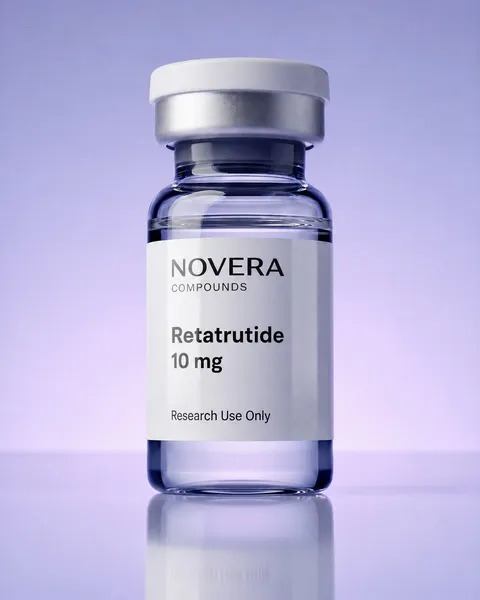
 Best Sellers
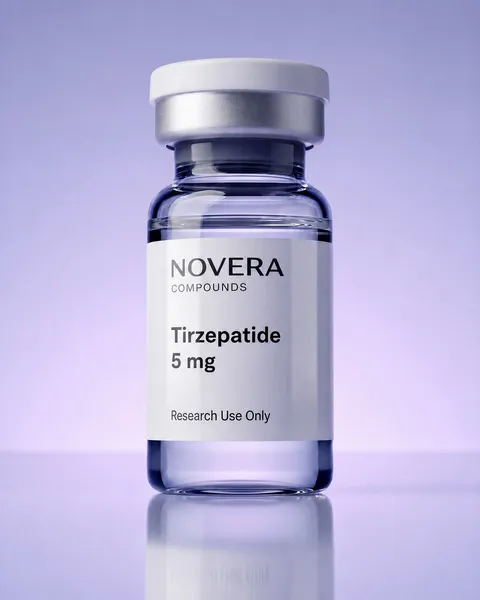 Metabolic
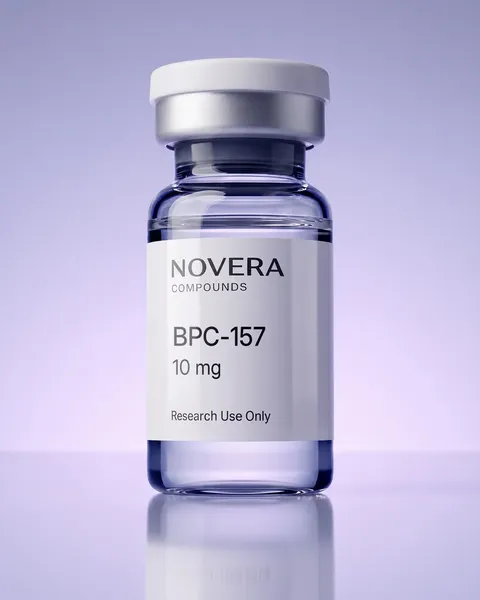 Regenerative
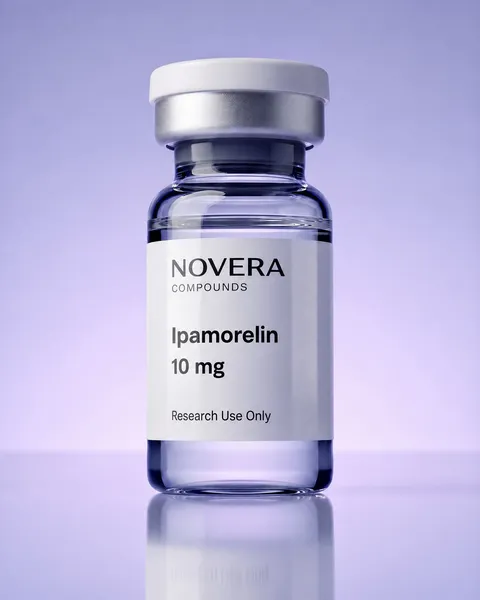 Secretagogues
 Bioregulators
 Neuropeptides









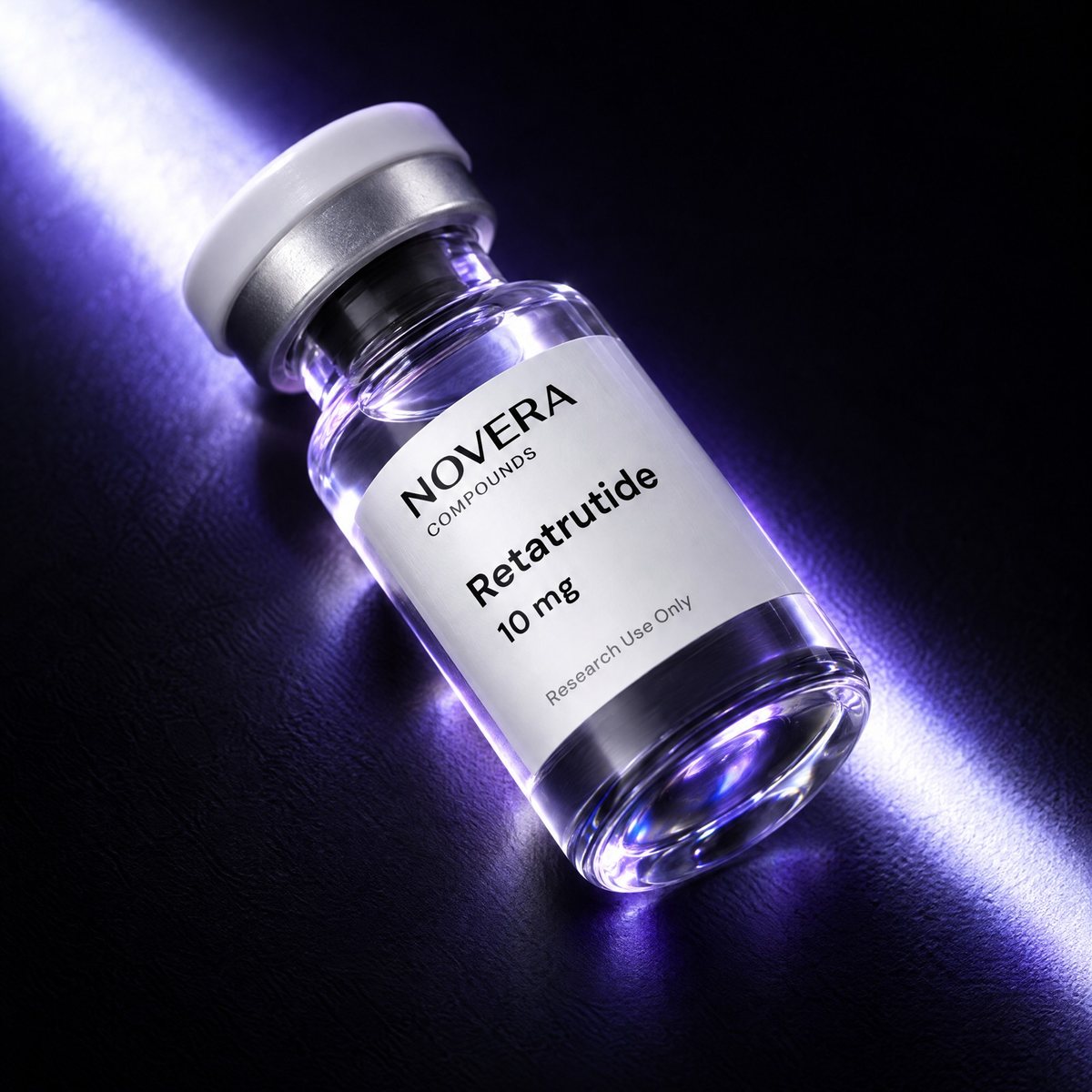
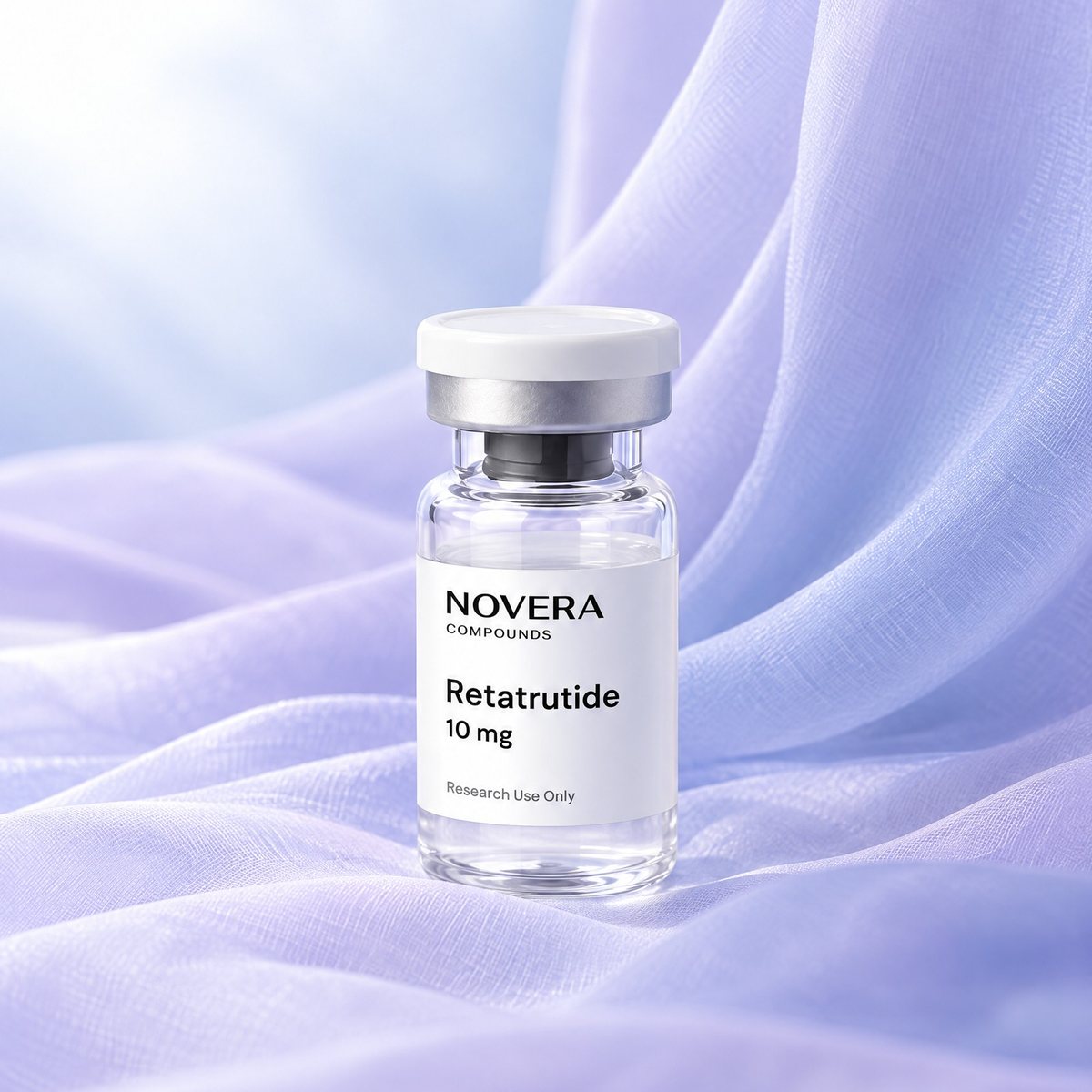
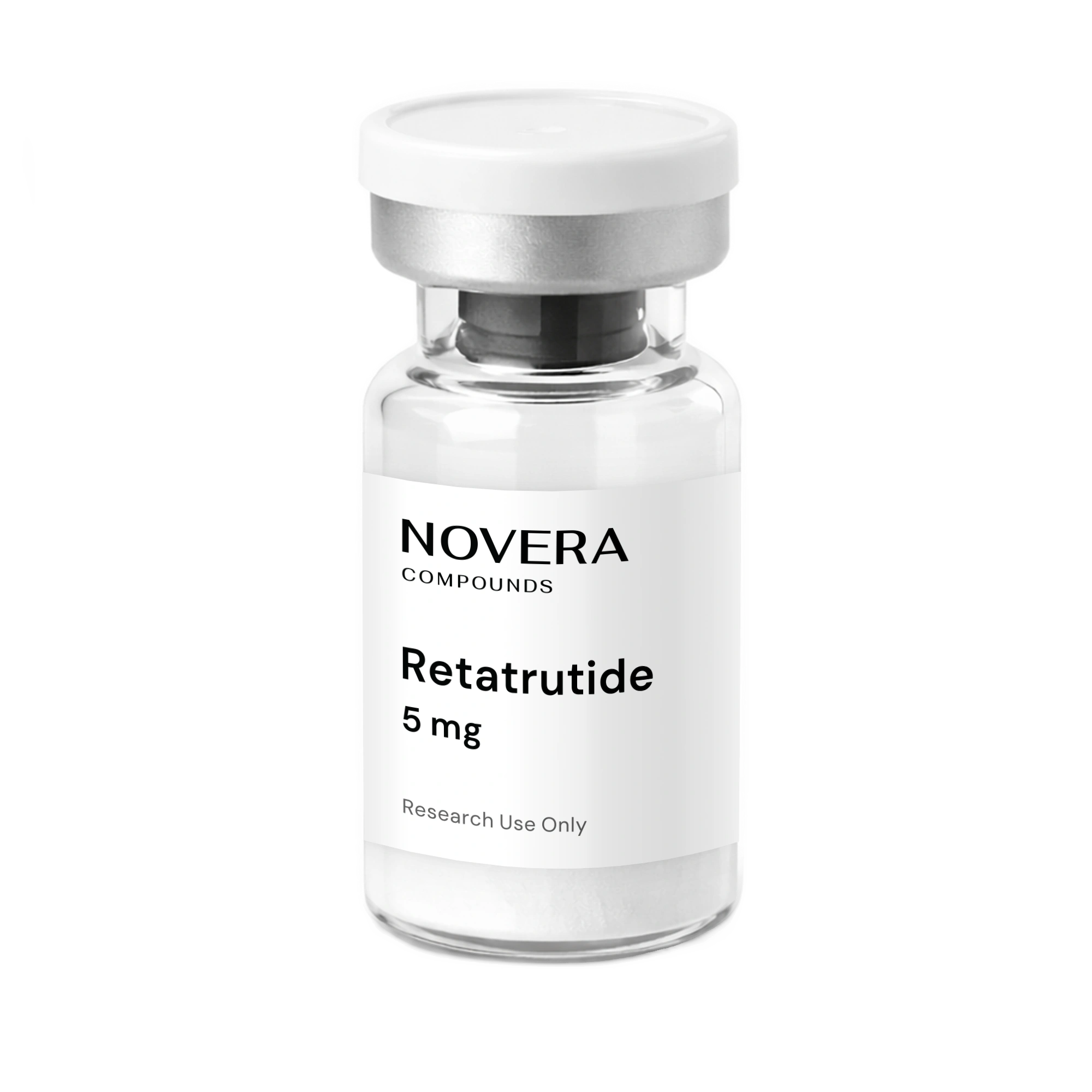
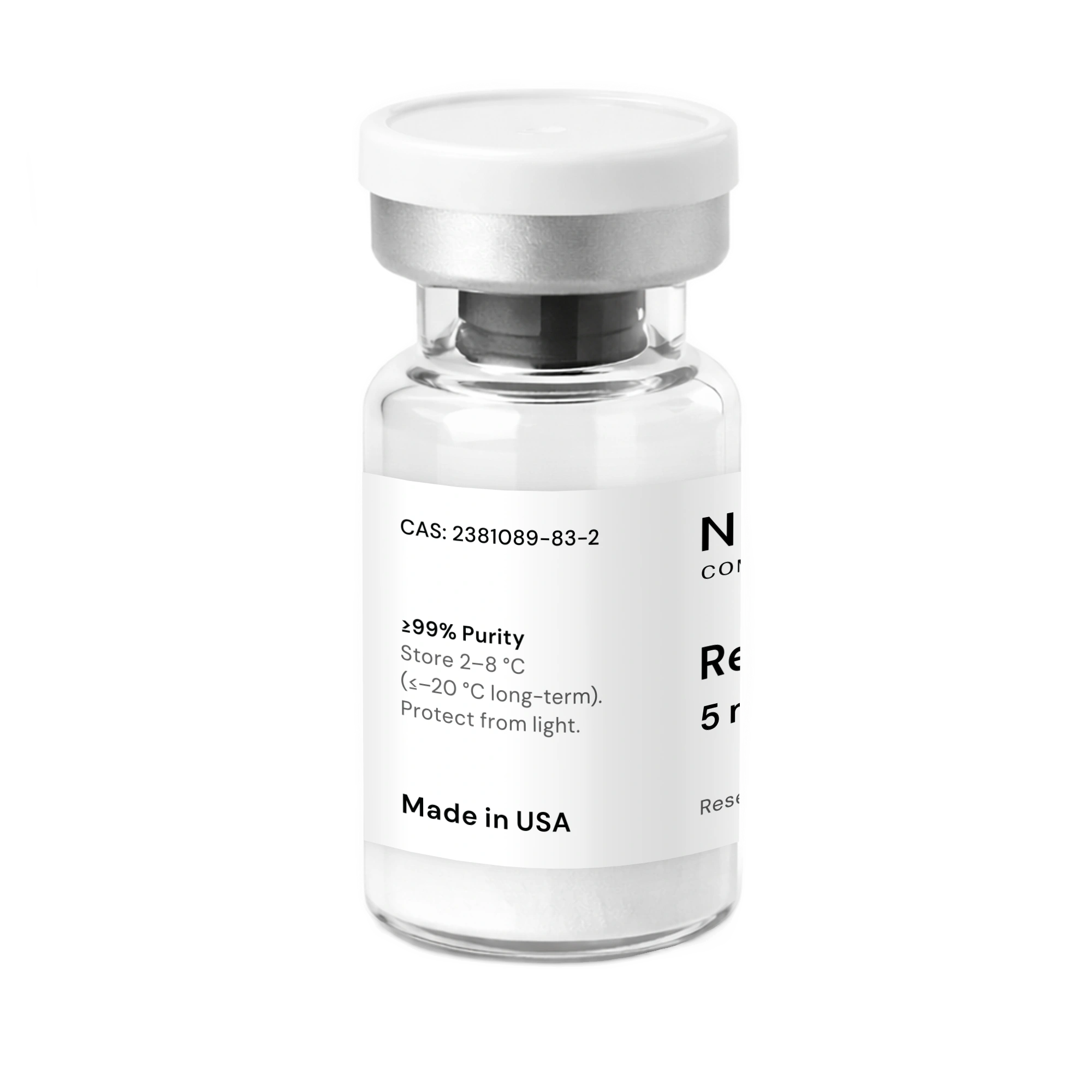
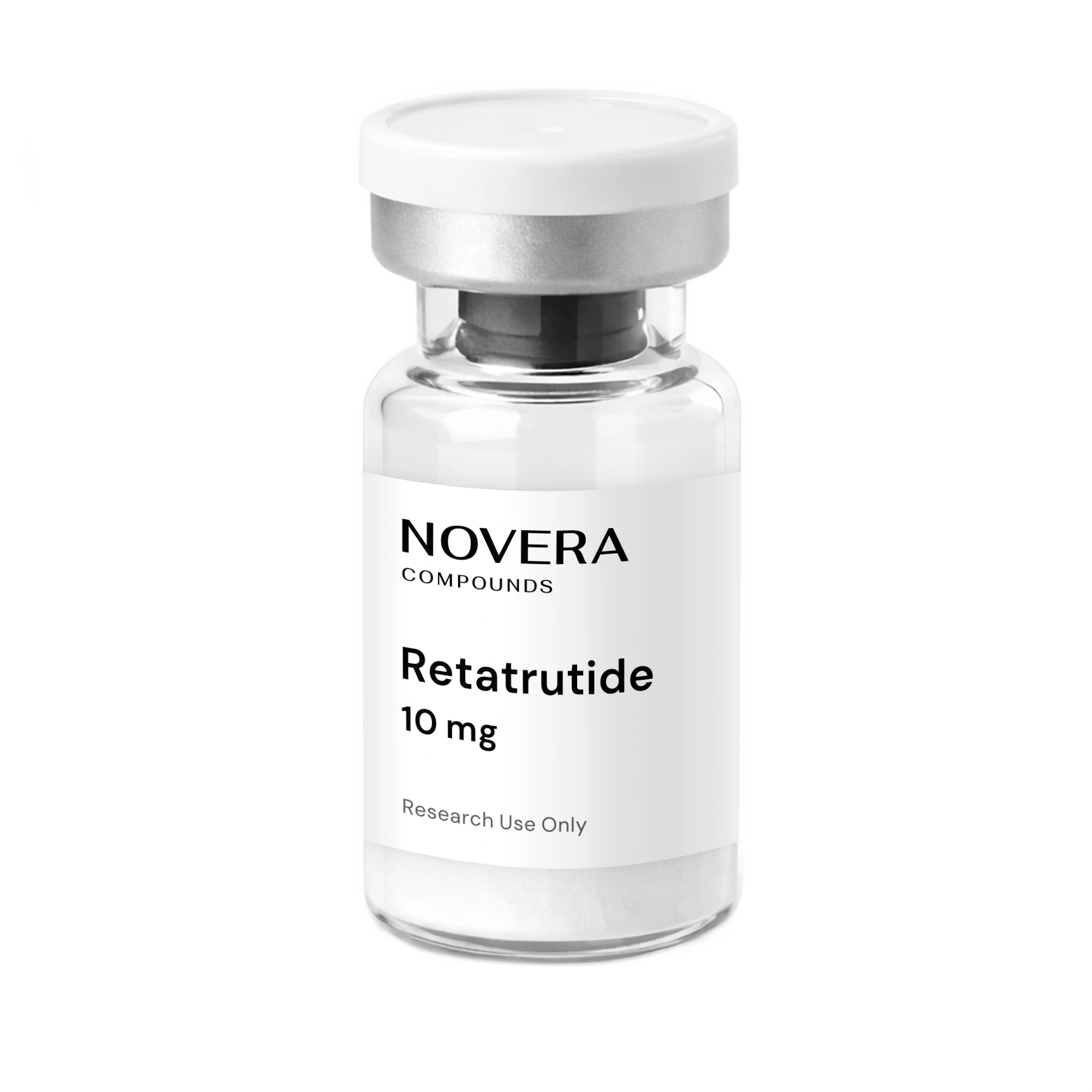
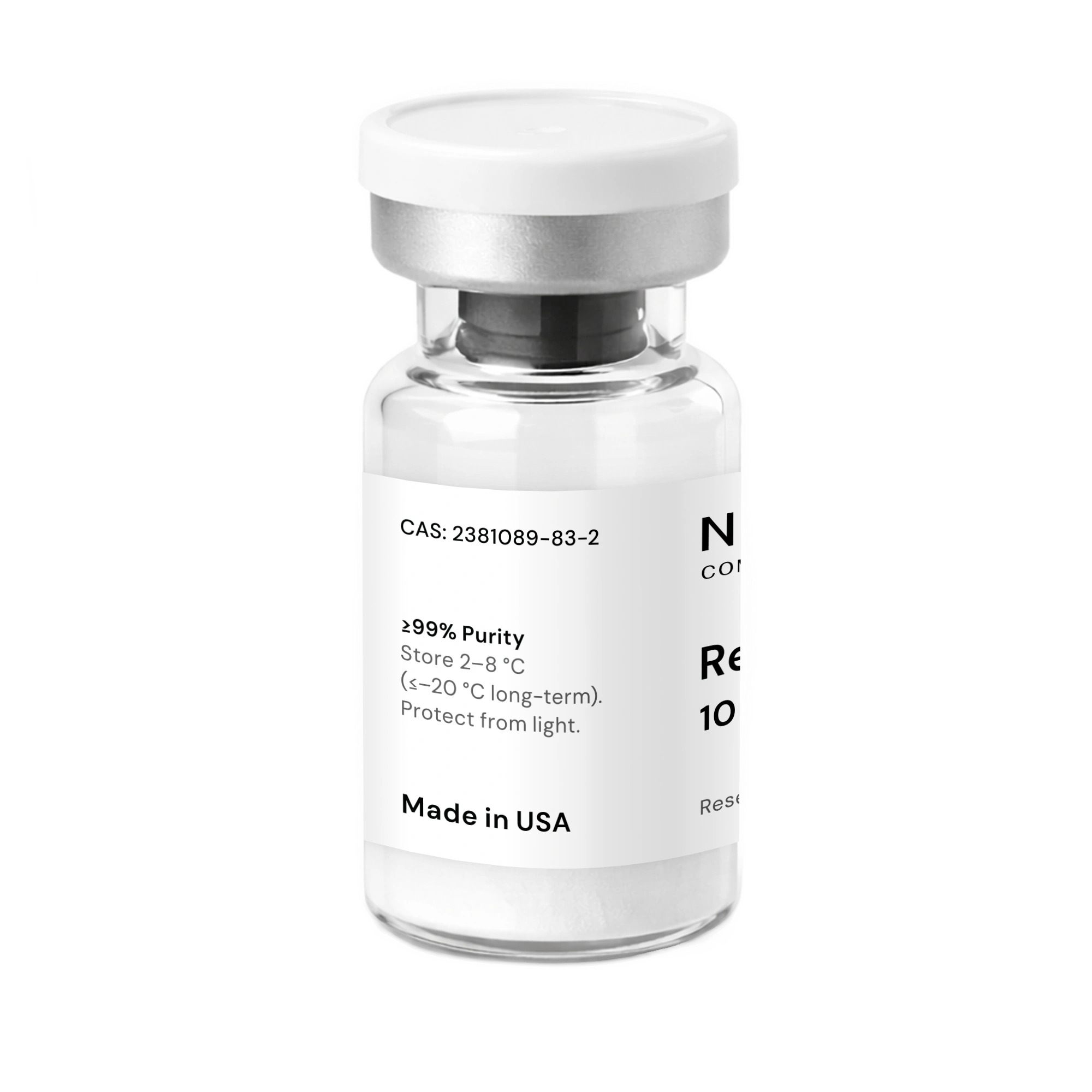
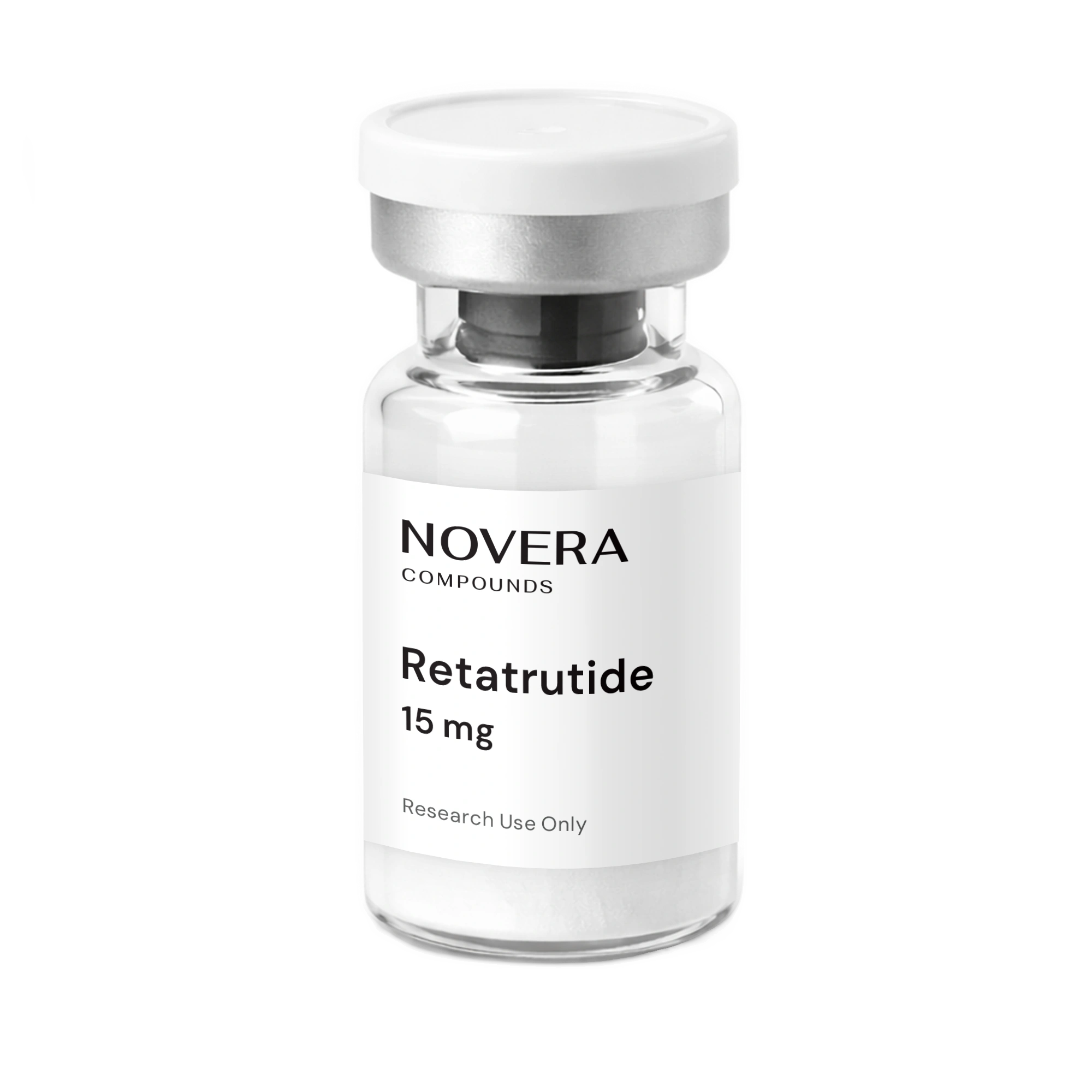
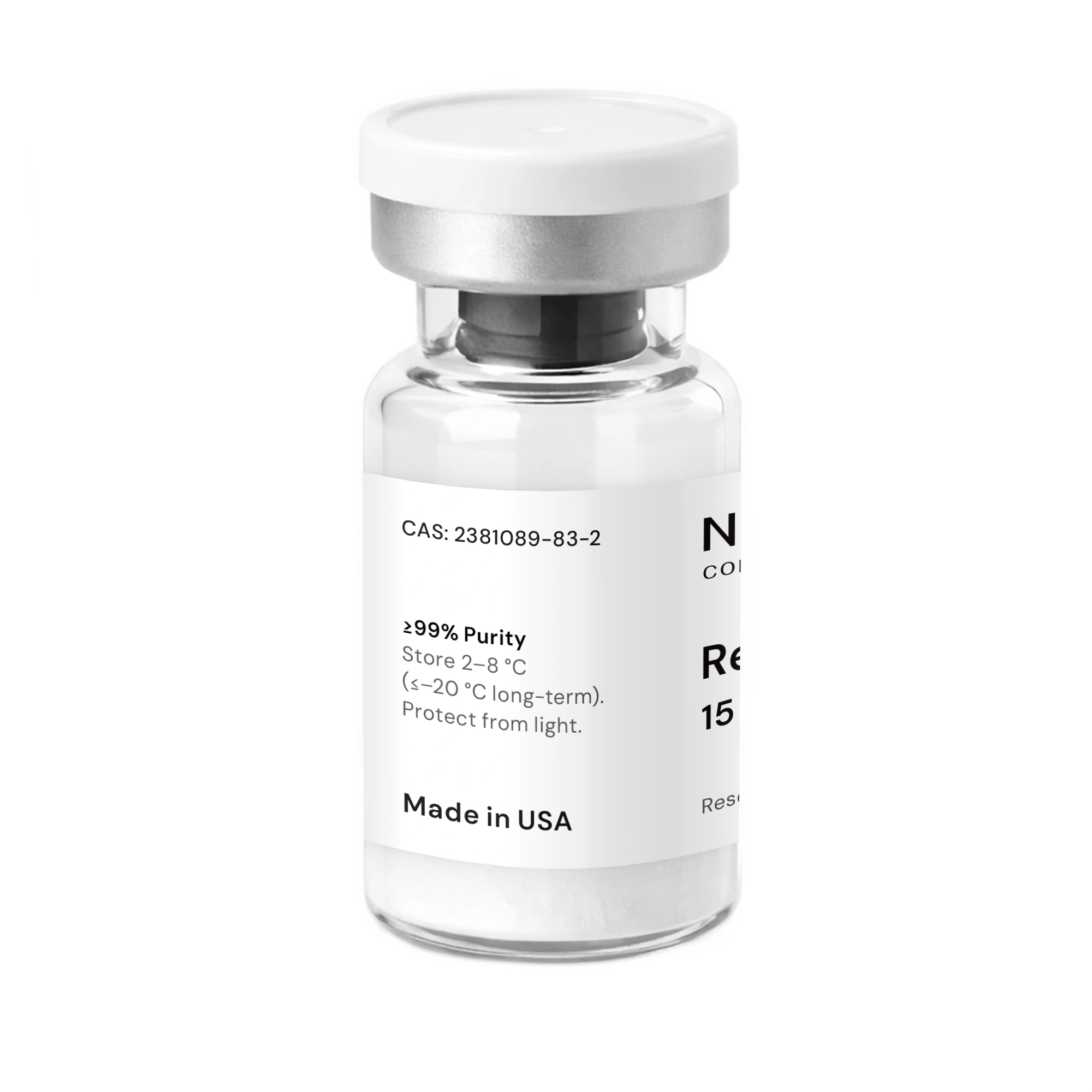
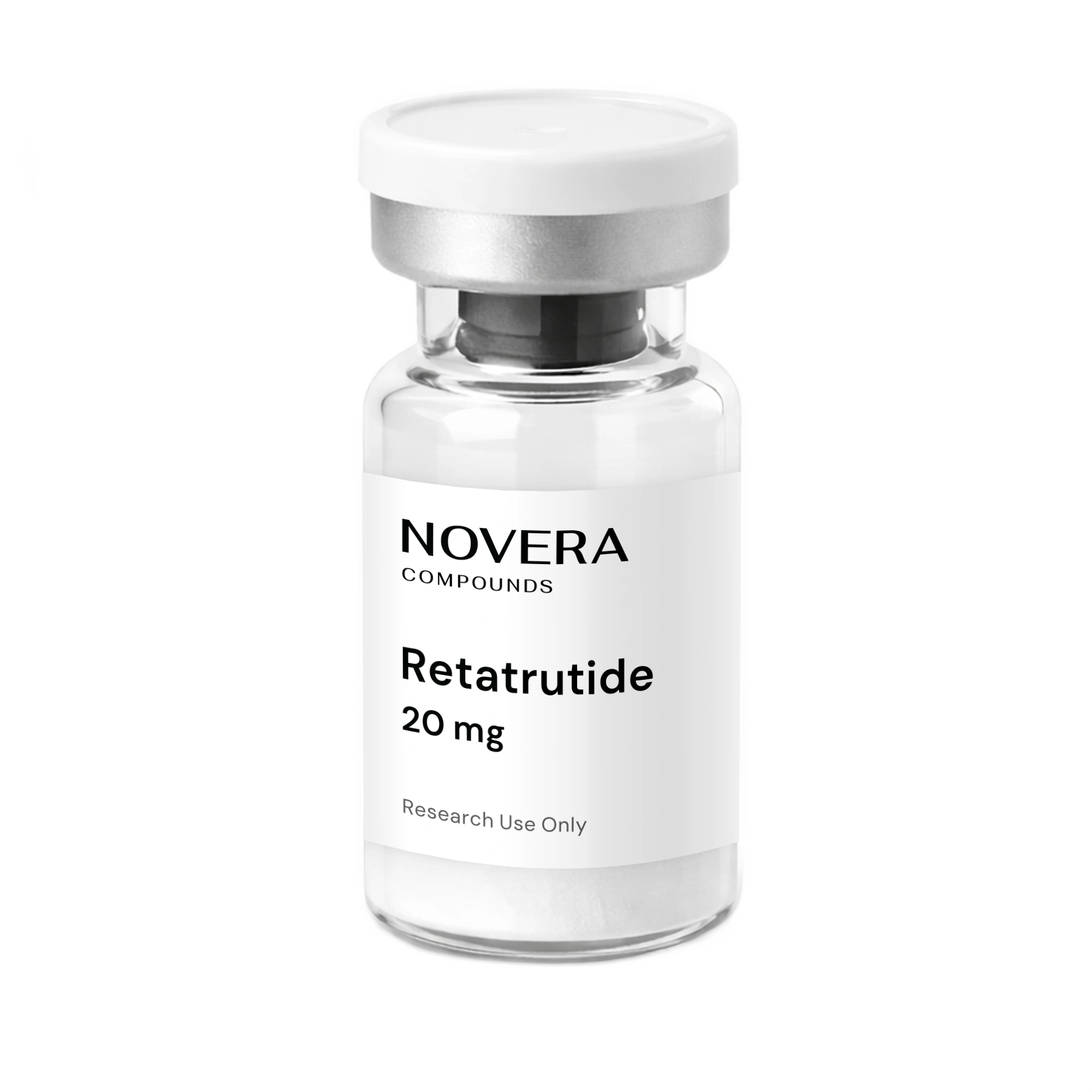
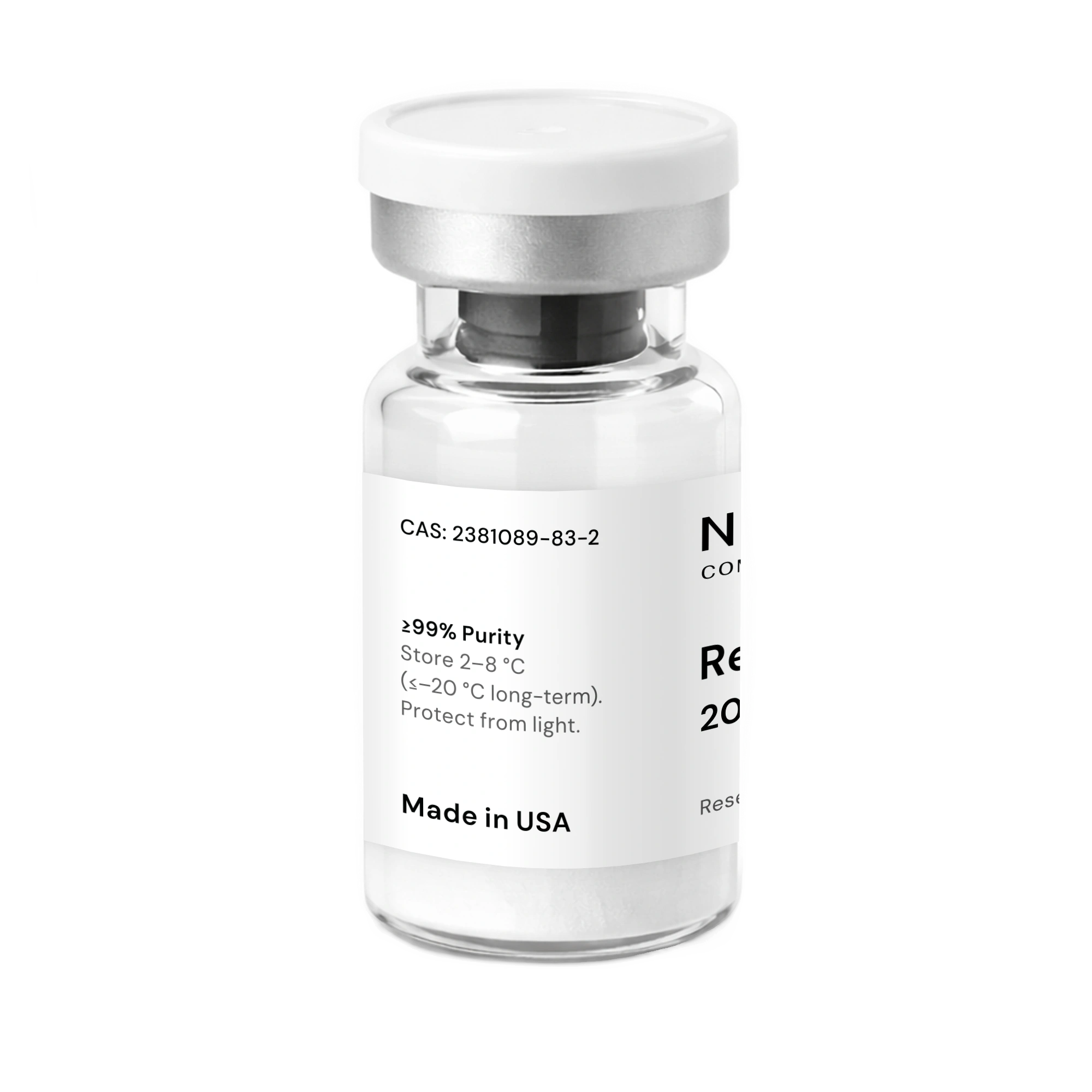
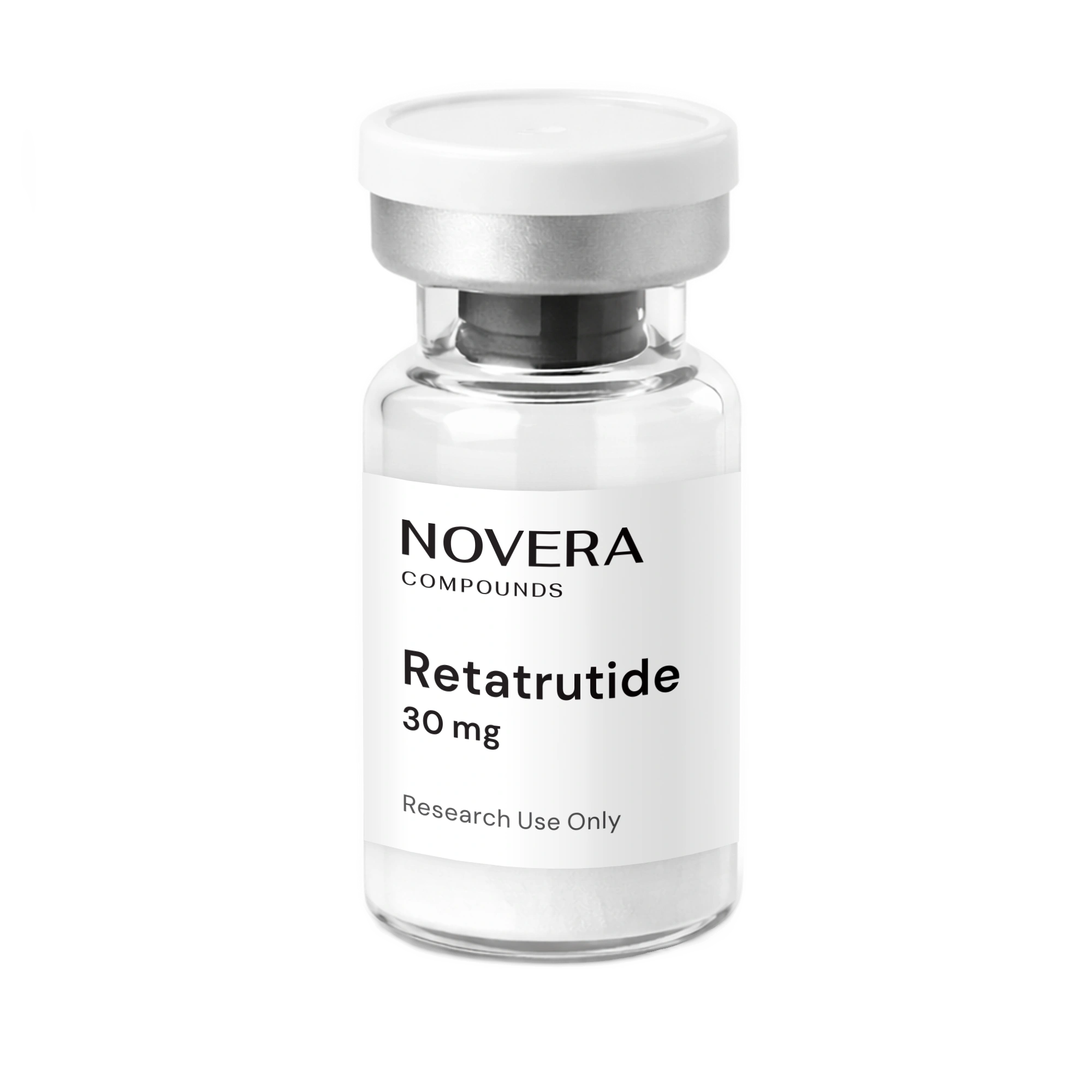
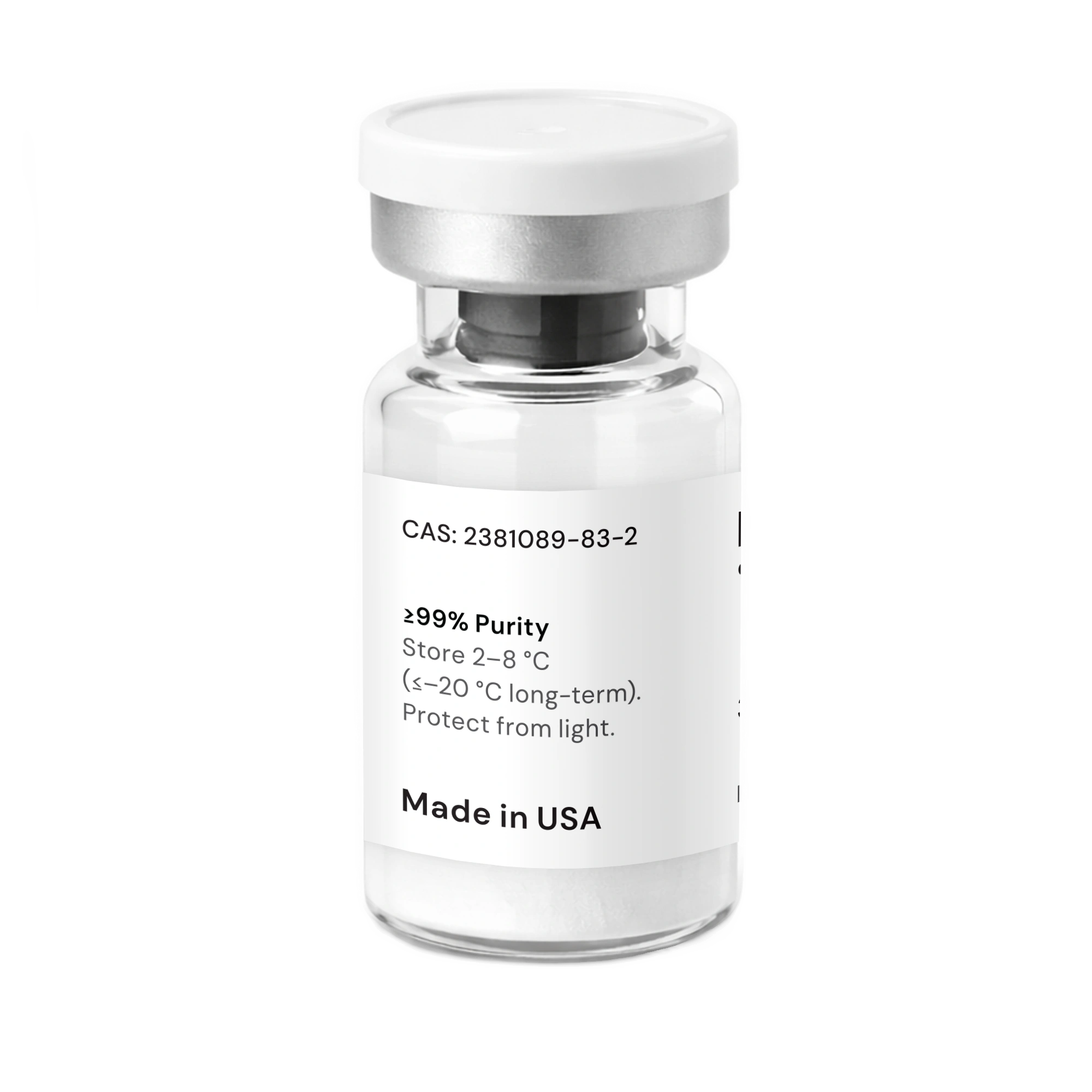
Lot-linked lab report
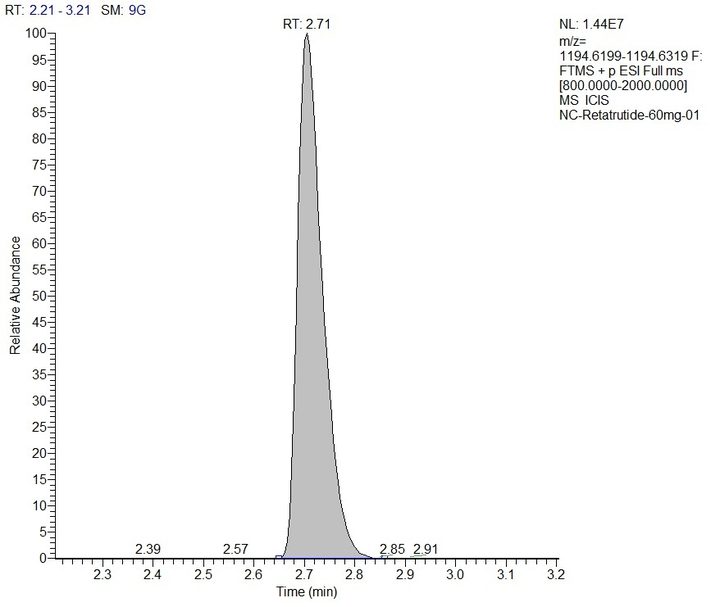
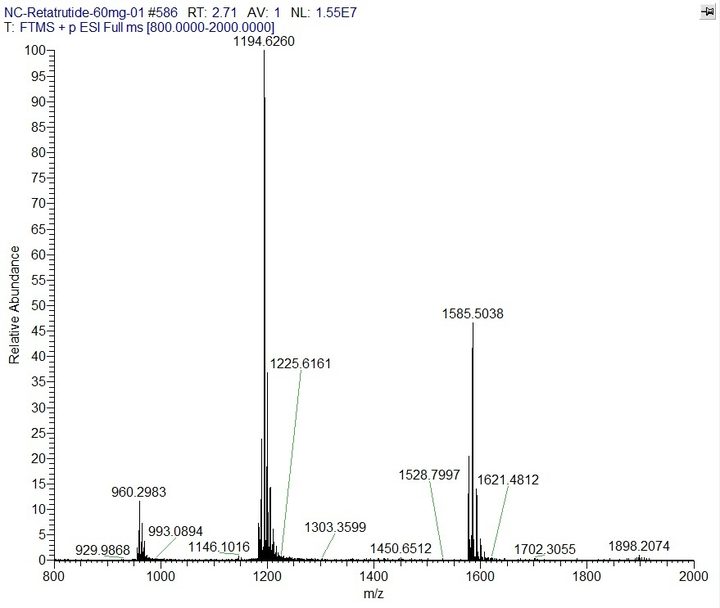
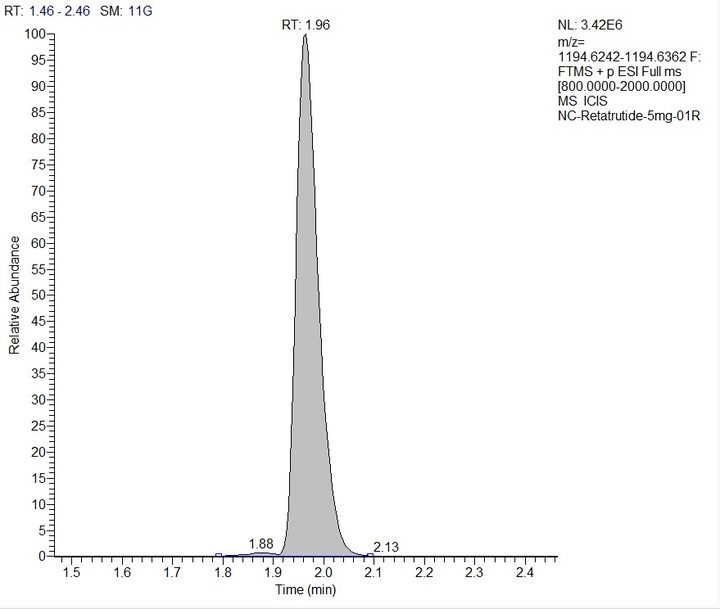
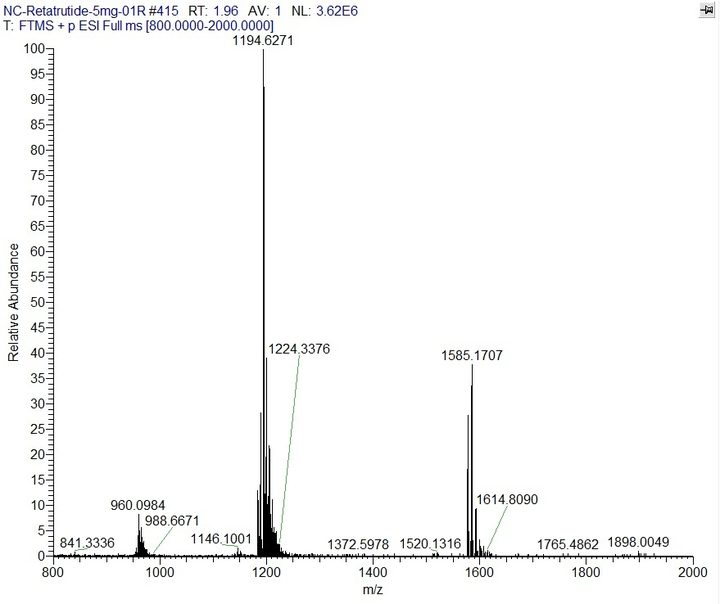
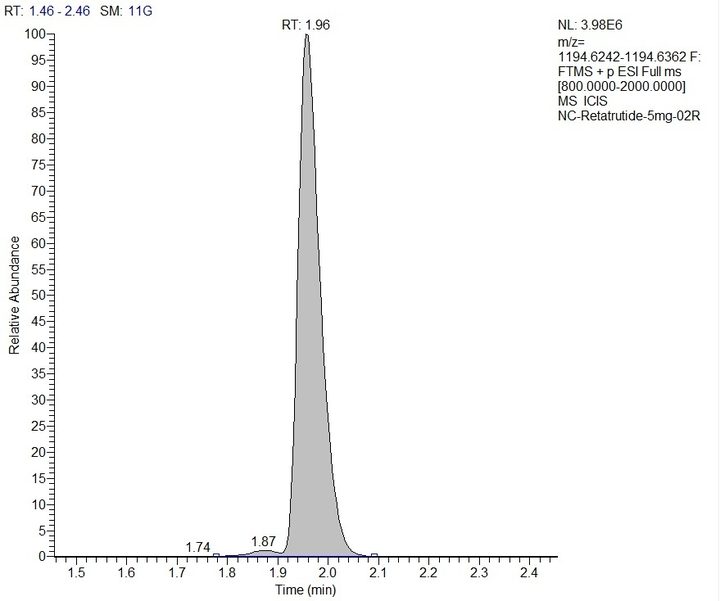
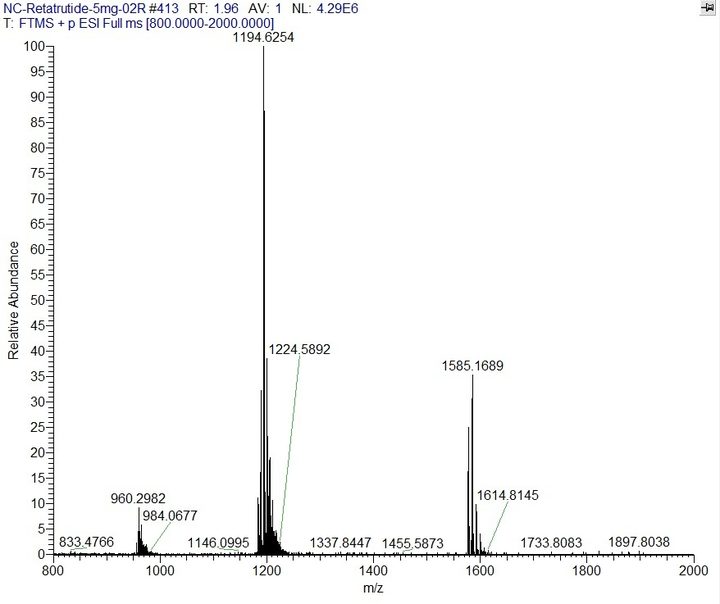
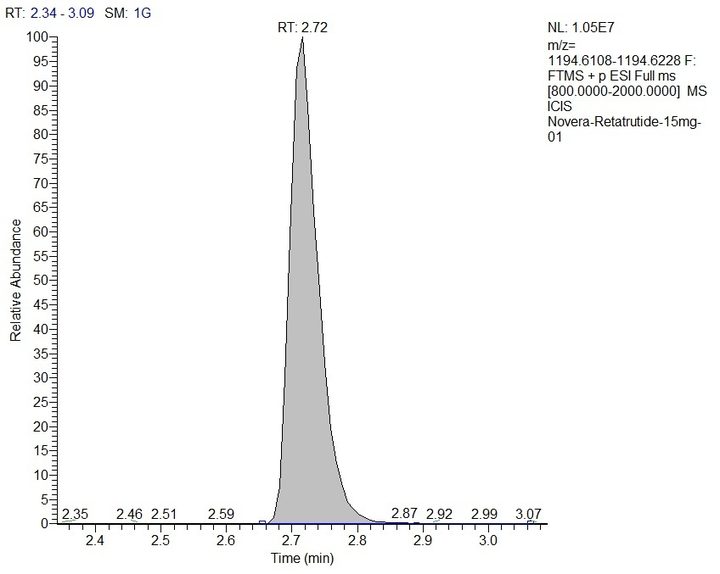
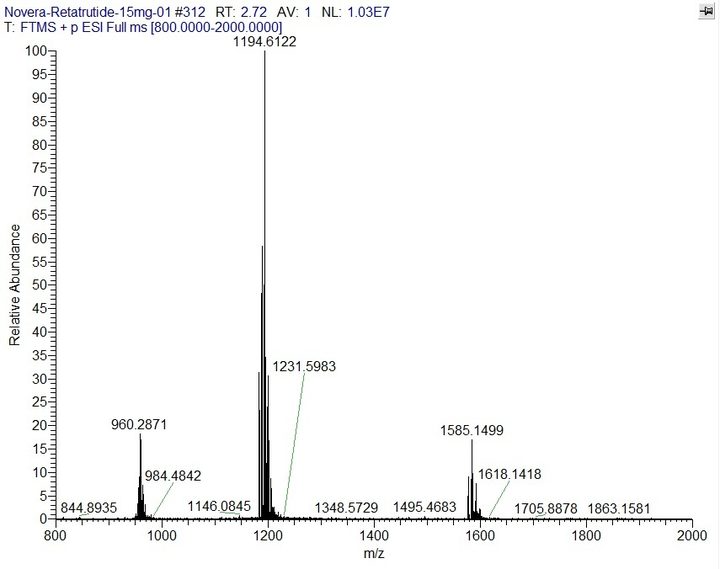
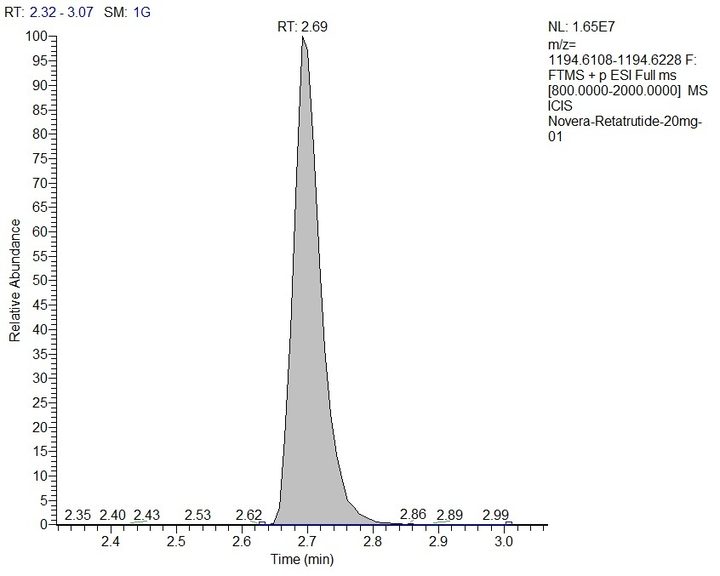
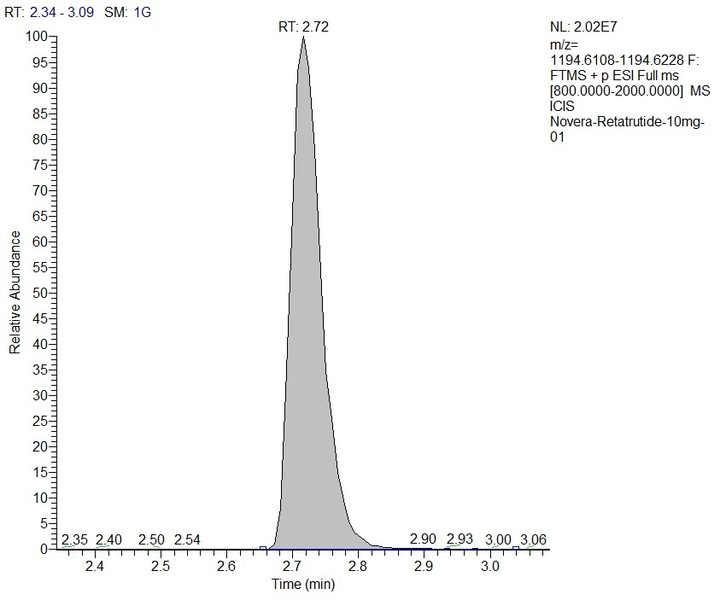
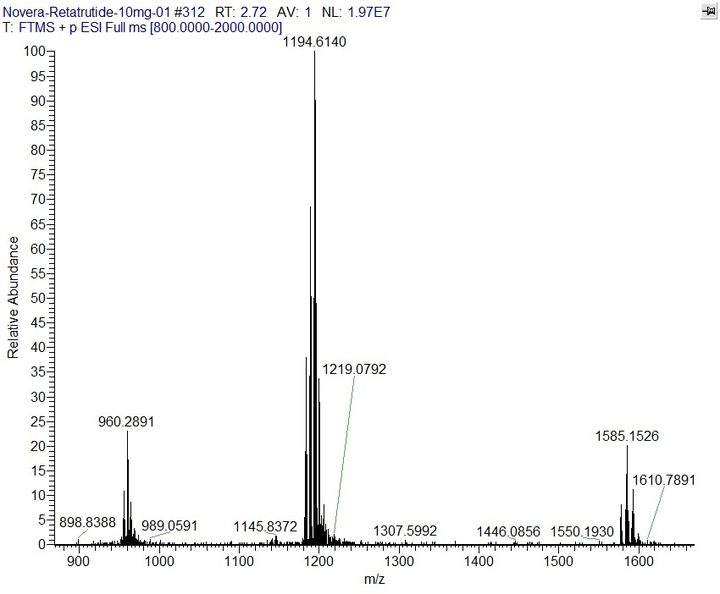
Identity confirmed by LC-MS
Endotoxin screened
Made in the USA
Third-party lab tested
31 Mar 202699.50% purityIdentity, purity & endotoxin testedLot 395348
Lab report published: 99.50% purity, lot 395348
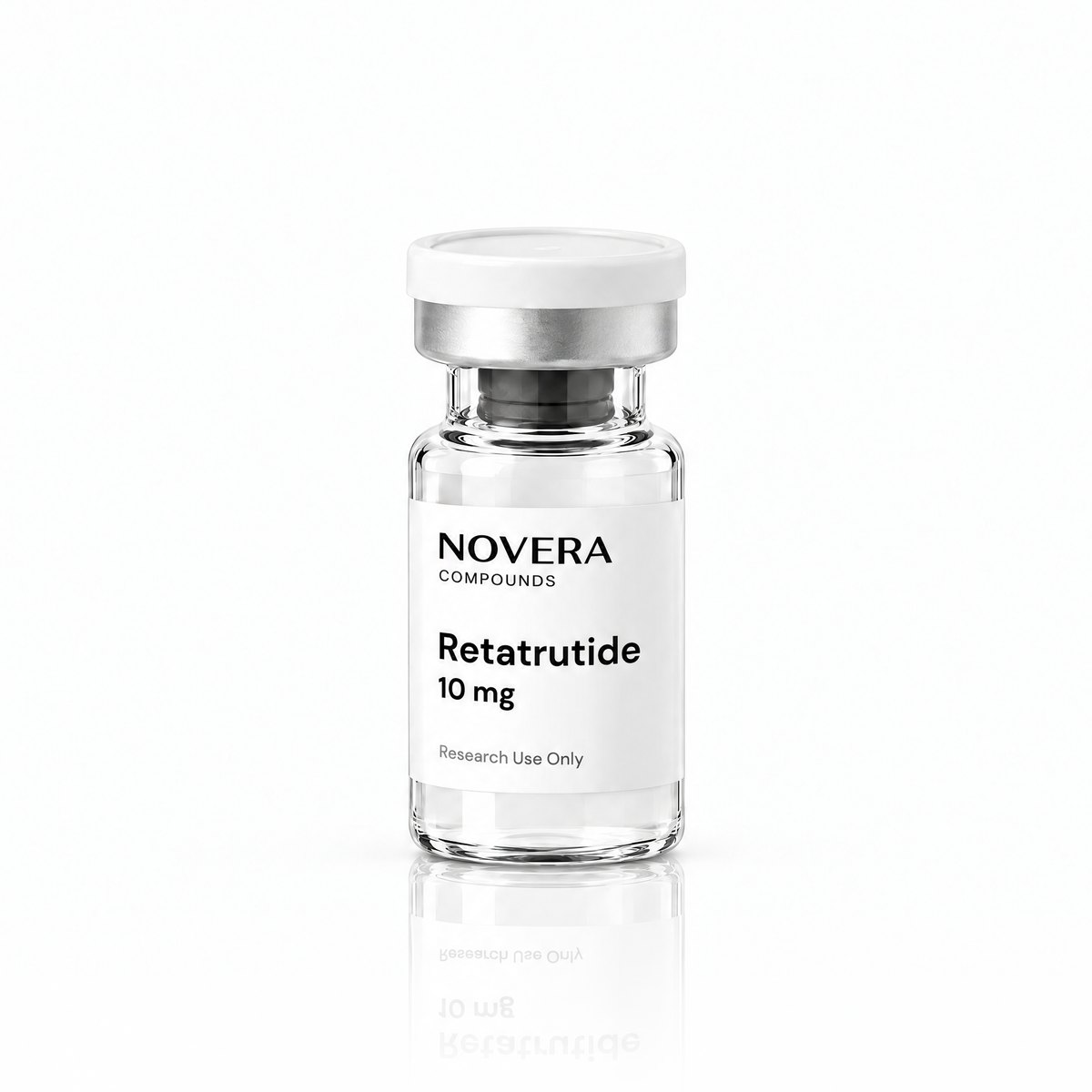
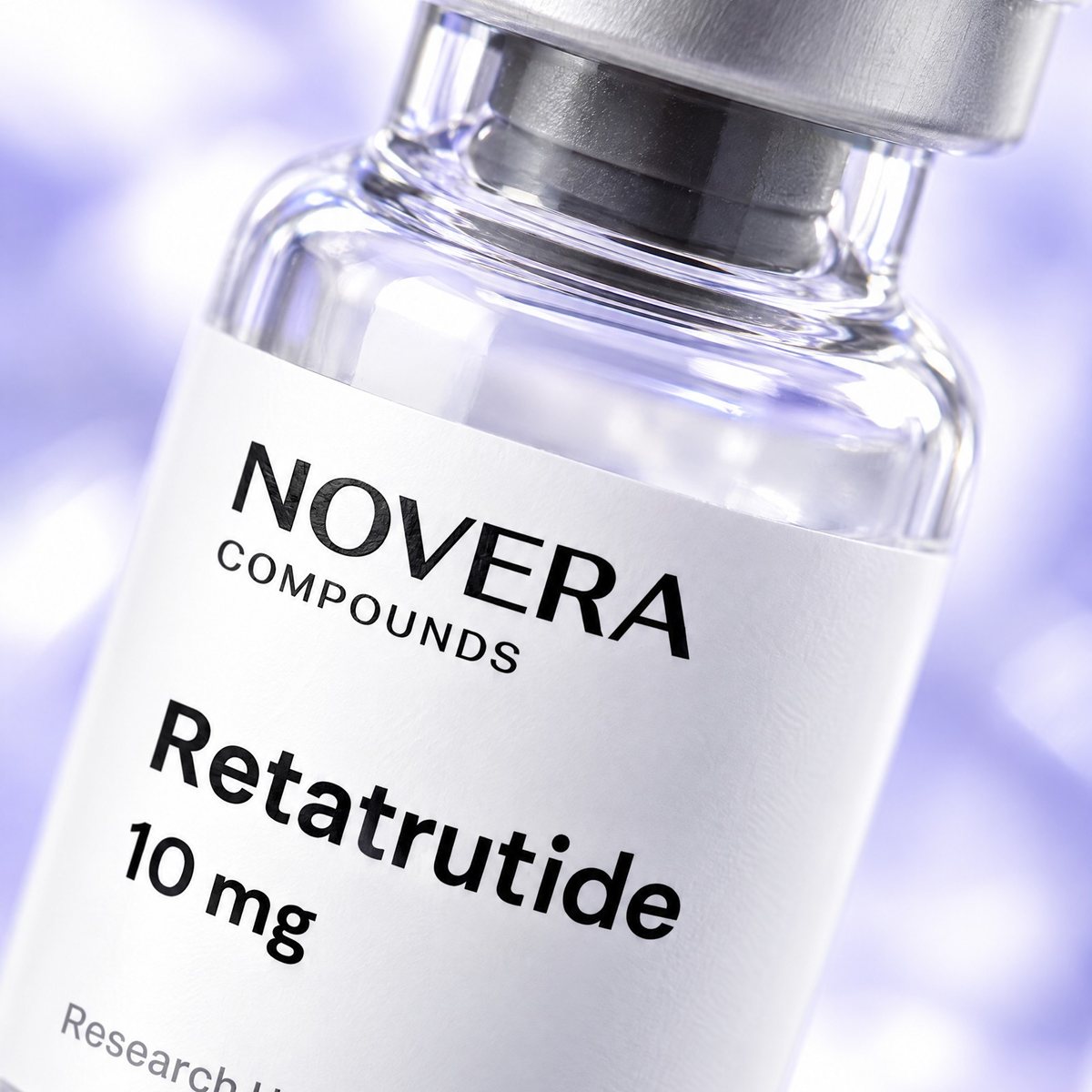
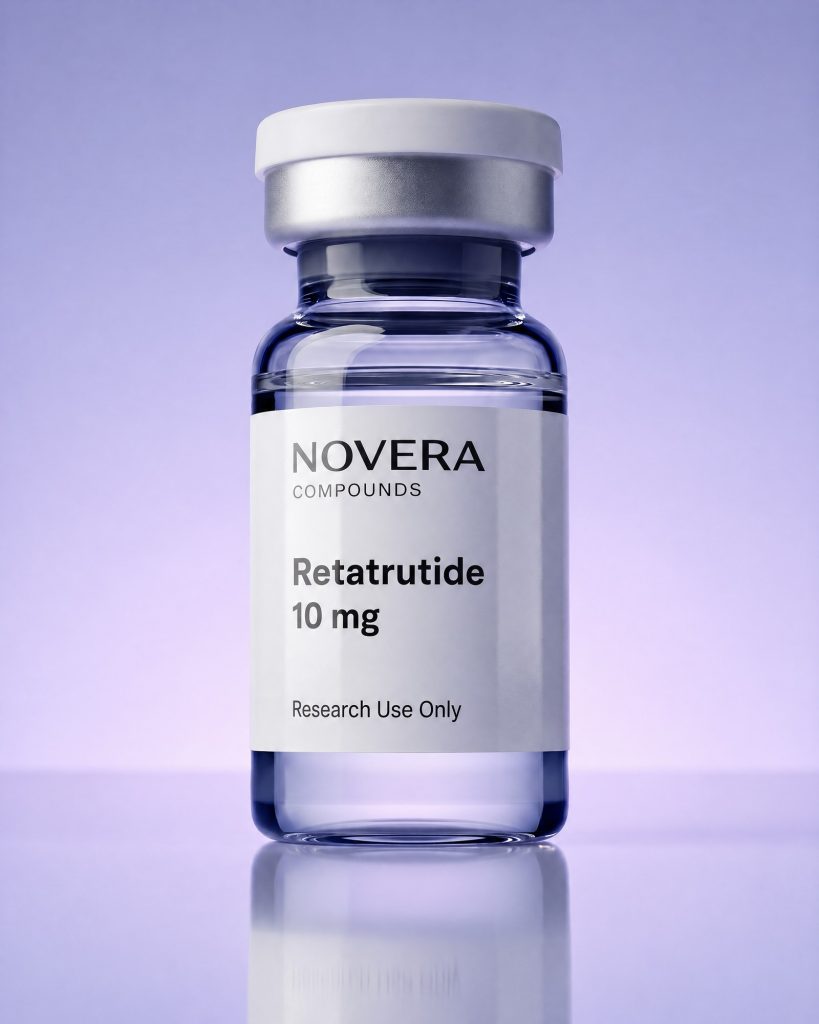
Retatrutide
For research and laboratory use only. Not for human or animal consumption.
Fast & Secure
Shipping
Shipping
Third-Party
Lab Tested
Lab Tested
Wrong or damaged?
Reship or refund
Reship or refund
Storage & handling: Store at 2–8 °C (≤ –20 °C long-term), away from light. Ships at ambient temperature.
How we test
Certificates are issued by independent labs. Identity and purity are measured by LC-MS; endotoxin, where listed, by a LAL screen. The latest report for this option: Identity, purity & endotoxin tested, lot 395348, tested 31 Mar 2026.
How to read your COA
Start with the lot number on the report. Identity confirms by mass spectrometry that the molecule is the one on the label. Purity is the share of the sample that is the target peptide, measured by LC-MS. Endotoxin, where tested, is screened by LAL and must sit below 0.5 EU/mL. The lab name and test date show who ran it and when.
Shipping
Regular tracked: $15 per order, 5 to 10 days. Express tracked: $25 per order, 3 to 5 days. Orders are dispatched within 24–48 business hours. Regular shipping is free on orders over $200 and express on orders over $400, after discounts.
Research & Education Tool
Peptide Dosage Calculator
Enter the vial amount, diluent volume, and target amount to estimate concentration, the draw volume on a U-100 syringe, and approximate vial yield.
For research and educational use only. Check all values against the product label, certificate of analysis, and any applicable professional guidance before relying on the result.
mg Common targets
Concentration
-
mcg / mL
Volume per Dose
-
-
Estimated Draws / Vial
-
rounded down to whole draws
Draw Reference
Enter values to estimate the syringe mark.
0
-
-
-
-
Retatrutide 60mg from Novera provides pharmaceutical research organizations and institutional laboratories with a COA-verified, USA GMP-sourced maximum-concentration triple GIP/GLP-1/glucagon receptor agonist for large-scale tri-receptor pharmacology, comparative receptor signaling characterization, and extended multi-year preclinical research programs. Each vial delivers consistently characterized peptide material to approximately 99% purity with full analytical batch documentation supporting institutional compliance and regulatory-quality record-keeping requirements. Global secure pharmaceutical logistics are available for enterprise laboratory orders. Every order includes COA documentation, preparation protocols, and dedicated technical support for multi-arm, multi-site triple-agonist experimental program design.
Product overview
Retatrutide 60mg is suited for pharmaceutical research organizations and institutional laboratories conducting large-scale triple-agonist receptor pharmacology programs, multi-site tri-receptor signaling characterization studies, and extended multi-year preclinical research designs. Research teams examining simultaneous GIP, GLP-1, and glucagon receptor co-activation interaction dynamics, comparative tri-receptor vs. dual-agonist signaling endpoint differences, or comprehensive pharmacokinetic and pharmacodynamic characterization across multiple receptor systems benefit from this maximum-concentration format. The 60mg vial supports multi-arm institutional study designs requiring high peptide availability across extended 104–156 week observation programs, reducing procurement complexity and supporting consistent material availability at enterprise research scale. Novera supplies Retatrutide 60mg sourced from USA GMP-certified manufacturing facilities, with each vial COA-verified for purity and sequence identity to approximately 99%.
Research focus
Triple Receptor Pharmacology and Binding Kinetics Characterization
Retatrutide supports in-vitro investigation of simultaneous GIP, GLP-1, and glucagon receptor binding kinetics, receptor occupancy dynamics, and downstream cAMP second messenger pathway activity across multiple receptor systems in pancreatic, hepatic, and hypothalamic cell line experimental models. Researchers characterizing tri-receptor selectivity profiles, binding affinity parameter comparison across all three receptor systems, and competitive binding assay endpoint dynamics use Retatrutide as a primary reference agonist for next-generation incretin receptor pharmacology study designs.
Downstream Metabolic Signaling Pathway Marker Quantification
Laboratories studying tri-receptor signal transduction use Retatrutide to quantify downstream molecular marker activity simultaneously across GIP-mediated insulin secretion pathway endpoints, GLP-1-mediated glucagon suppression signaling markers, and glucagon receptor-mediated hepatic lipid oxidation pathway expression in controlled preclinical metabolic model systems. Multi-arm protocols comparing triple-agonist and dual-agonist downstream signaling endpoint profiles support mechanistic characterization of receptor combination-dependent molecular interaction dynamics across shared and distinct pathway markers.
Pharmacokinetic and Pharmacodynamic Characterization Studies
Retatrutide supports comprehensive pharmacokinetic profiling — including plasma stability characterization, receptor exposure duration parameters, and tissue distribution marker dynamics — alongside pharmacodynamic endpoint quantification across all three receptor systems simultaneously. Institutional research programs conducting complete PK/PD characterization for pharmaceutical development applications use the 60mg concentration to support multi-arm, multi-timepoint study designs with sufficient material availability across extended 104–156 week observation periods.
Multi-Site and Multi-Arm Institutional Research Program Support
The 60mg format enables large-scale multi-site research program designs where consistent peptide material availability across geographically distributed laboratory facilities is required. Pharmaceutical research organizations conducting multi-arm triple-agonist mechanism characterization programs, dose-escalation response profiling, and comparative receptor pharmacology studies across multiple concurrent institutional sites benefit from the operational efficiency this maximum-concentration format provides.
Methodological notes
Preparation Guidelines
Reconstitute lyophilized Retatrutide 60mg with USP-grade sterile bacteriostatic water using GMP-compliant sterile technique in certified laboratory facilities. Reconstitution volume should be determined based on the target experimental working concentration and protocol arm dosing requirements specified by the study design. Document all reconstitution steps in accordance with institutional analytical validation standards and regulatory-quality research record-keeping requirements. Use calibrated equipment throughout all preparation steps.
Storage Conditions
Store lyophilized peptide at 2–8°C under validated environmental controls in certified laboratory storage conditions, protected from light and moisture, prior to reconstitution. Following reconstitution, maintain pharmaceutical-grade refrigeration at 2–8°C to preserve triple-agonist peptide integrity. This product does not require cold-chain shipping, but standard pharmaceutical receiving and storage procedures should be followed upon receipt. Each vial supplied by Novera includes COA documentation, analytical characterization data, and handling guidance.
Extended Protocol Design Guidelines
Institutional research programs using Retatrutide 60mg typically support 104–156 week multi-year protocols for comprehensive tri-receptor pharmacology characterization and longitudinal signaling pathway marker progression observation. Studies systematically monitor GIP, GLP-1, and glucagon receptor pathway panel activity markers, pharmacokinetic parameter endpoints, and downstream metabolic signaling marker expression at defined intervals throughout the extended observation period. The 60mg format supports efficient multi-year program execution with consistent material availability across all concurrent protocol arms and institutional research sites.
Quality & sourcing
USA GMP-Certified Supply via Novera
Novera supplies Retatrutide 60mg sourced from USA GMP-certified pharmaceutical manufacturing facilities, independently verified to approximately 99% purity by COA documentation. Each vial confirms peptide sequence identity, purity grade, and batch-specific analytical characterization data — providing institutional laboratories with consistent, pharmaceutical-grade triple-agonist material suitable for regulatory-documentation-quality research records and enterprise-level program compliance requirements.
Chemical properties
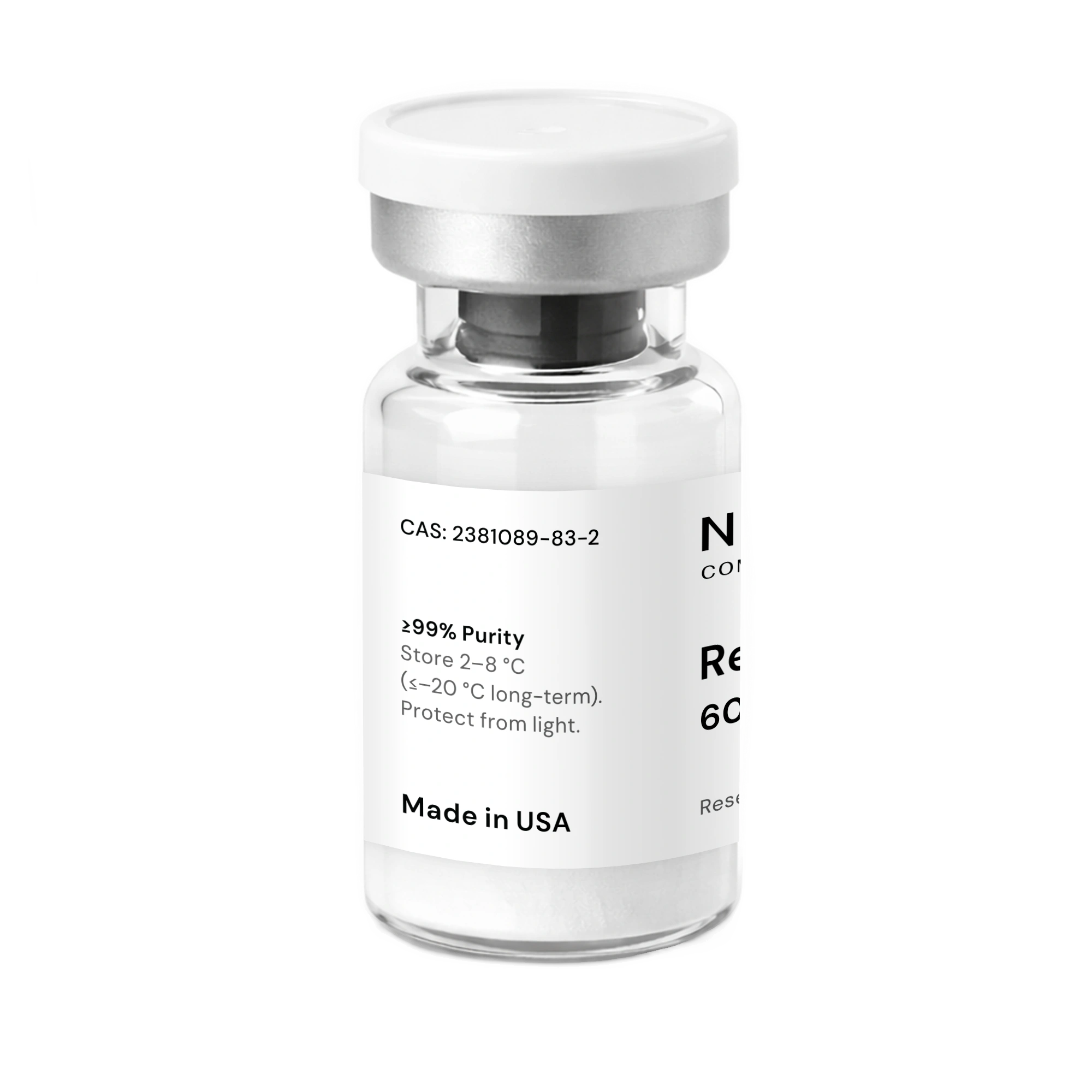
- CAS: 2381089-83-2
- Chemical Formula: C₂₂₁H₃₄₂N₄₆O₆₈
- Molecular Weight: 4845.444 g/mol
- Peptide Sequence: Tyr-{Aib}-Gln-Gly-Thr-Phe-Thr-Ser-Asp-Tyr-Ser-Ile-{α-Me-Leu}-Leu-Asp-Lys-{diacid-C20-gamma-Glu-(AEEA)-Lys}-Ala-Gln-{Aib}-Ala-Phe-Ile-Glu-Tyr-Leu-Leu-Glu-Gly-Gly-Pro-Ser-Ser-Gly-Ala-Pro-Pro-Pro-Ser-NH2 (Sodium salt)
- Synonyms: Retatrutide acetate, LY3437943
- Shelf life: 24 months from the manufacturing date.
Key features
Maximum-Concentration Enterprise Research Format
The 60mg vial provides the highest available triple-agonist peptide concentration for large-scale institutional and pharmaceutical research programs. Single-vial format reduces handling frequency, simplifies storage logistics, and supports multiple concurrent protocol arms within a single procurement cycle. Lyophilized format ensures long-term structural stability for multi-year research programs, supporting consistent peptide exposure and reproducible molecular endpoint data across all extended protocol phases.
Triple GIP, GLP-1, and Glucagon Receptor Agonist Profile
Retatrutide simultaneously co-activates three structurally related G-protein-coupled receptors: the glucose-dependent insulinotropic polypeptide (GIP) receptor, the glucagon-like peptide-1 (GLP-1) receptor, and the glucagon receptor. Each receptor initiates distinct but overlapping downstream Gs-protein-coupled cAMP signaling cascades — GIP receptor activation is studied in relation to pancreatic beta-cell insulin secretion pathway dynamics; GLP-1 receptor activation in relation to incretin-mediated glucagon suppression pathway signaling; and glucagon receptor activation in relation to hepatic glucose production regulatory marker activity and lipid oxidation pathway endpoint expression. Simultaneous tri-receptor co-activation enables researchers to examine whether combined activation of all three receptor systems produces additive, synergistic, or pathway-competitive effects on shared downstream molecular markers relative to single- and dual-agonist reference compounds.
Comparative Tri-Receptor vs. Dual-Agonist Signaling Research
Retatrutide’s triple receptor activation profile distinguishes it from dual-agonist compounds such as Tirzepatide (GIP/GLP-1) and Survodutide (GLP-1/glucagon), enabling researchers to design comparative multi-arm study designs examining how the addition of a third receptor system modifies downstream signaling pathway interaction dynamics. Research quantifying the incremental molecular endpoint differences produced by tri-receptor vs. dual-receptor co-activation contributes to mechanistic understanding of receptor combination-dependent signaling biology across incretin and glucagon pathway systems.
USA GMP-Certified Supply via Novera
Novera supplies Retatrutide 60mg sourced from USA GMP-certified pharmaceutical manufacturing facilities, independently verified to approximately 99% purity by COA documentation. Each vial confirms peptide sequence identity, purity grade, and batch-specific analytical characterization data — providing institutional laboratories with consistent, pharmaceutical-grade triple-agonist material suitable for regulatory-documentation-quality research records and enterprise-level program compliance requirements.
Health benefits
Metabolic Pathway Research Applications
In laboratory settings, retatrutide is examined for its interaction with GIP, GLP-1, and glucagon receptors. These receptors are involved in energy balance and nutrient signaling. GIP relates to glucose-dependent insulin signaling. GLP-1 supports glucose regulation pathways. Glucagon receptors are linked to energy release processes. Researchers analyze how coordinated receptor activity may influence measurable metabolic markers under controlled conditions.
Guidance on usage and dosage
Research Handling Guidelines
Retatrutide 20mg is provided for laboratory research only. It is not intended for human consumption or veterinary application. It must not be introduced into humans or animals. This product is not a drug and not a food product. It is categorized among controlled research chemicals for scientific purposes.
Before use, store the lyophilized powder at 2–8°C. Protect from light and moisture. Reconstitution should be performed using sterile laboratory-grade solvent under controlled research conditions. Laboratories determine concentration levels based on study design. Handling must follow institutional safety procedures.
This product is manufactured by ELIVENA in GMP-certified USA facilities. Each batch is tested for purity, identity, and stability. Researchers working with peptides bulk quantities or structured peptide investigations benefit from consistent formulation. Purchasing should be conducted by qualified institutions only. Always review local regulations before purchasing research peptides.
Included
Express tracked
$25 per order · delivery in 3–5 days
- Tracked door to door, dispatched within 24–48 business hours
- Ambient shipping, safe for lyophilized peptides
Included
Regular tracked
$15 per order · delivery in 5–10 days
- Free on orders over $200
- Tracked door to door, dispatched within 24–48 business hours
How does Retatrutide’s receptor activation profile differ from dual-agonist compounds?
Retatrutide simultaneously engages GIP, GLP-1, and glucagon receptors, enabling investigation of tri-receptor interaction dynamics and comparative intracellular signaling behavior relative to dual-agonist reference compounds in controlled experimental models.
What concentration strategies are used in preclinical research?
Experimental concentration selection and escalation strategies should be defined by study objectives, receptor signaling dynamics, and institutional laboratory standards.
How should Retatrutide be handled after reconstitution?
Reconstituted material should be maintained under refrigerated laboratory conditions and used according to institutional handling protocols to preserve molecular integrity.
What distinguishes triple-agonist peptides from single or dual-agonist compounds?
Triple-agonist peptides are designed to interact with three different receptor types simultaneously in experimental systems, while single-agonist peptides target one receptor and dual-agonist peptides target two receptors. This multi-receptor interaction provides researchers with models to study complex receptor crosstalk and synergistic pathway activation. Research applications focus on understanding how multiple receptor activation affects cellular signaling in vitro.
What are typical research applications for this triple-agonist peptide?
Research applications include multi-receptor interaction studies, receptor crosstalk characterization, comparative analyses between single, dual, and triple-agonist mechanisms, and structure-activity relationship investigations. Specific applications depend on research objectives in receptor biology and peptide pharmacology. Research teams determine protocols based on their investigation goals in receptor signaling studies.
What reconstitution protocols are recommended for this peptide?
Reconstitution protocols should follow institutional laboratory standards for peptide compounds. Researchers typically use bacteriostatic water with volumes determined by experimental design requirements. The specific reconstitution volume depends on desired working concentrations for the research protocol. Detailed procedures should be established according to institutional guidelines and experimental specifications.
What is Retatrutide and what receptor systems does it target in laboratory research?
Retatrutide is a synthetic acylated peptide studied as a triple receptor agonist, investigated for its simultaneous engagement of three class B G protein-coupled receptors: GIPR, GLP-1R, and GCGR. Its acylated structure — incorporating a fatty acid chain modification — influences receptor binding kinetics and compound behaviour in aqueous laboratory environments, both of which are studied as experimental variables in receptor pharmacology research.
How does triple receptor engagement differ from mono- and dual-agonist research models?
Single-agonist peptides generate isolated, attributable signaling profiles from one receptor pathway. Dual-agonists allow study of additive or interactive dynamics between two converging pathways. Triple receptor engagement introduces a third concurrent Gs-coupled signaling input, enabling investigators to examine how cyclic AMP accumulation and downstream effector responses are modulated when all three pathways are activated in parallel versus individually.
What intracellular signaling pathways are activated downstream of GIPR, GLP-1R, and GCGR?
All three receptors signal primarily through Gs-coupled adenylyl cyclase activation, driving cyclic AMP accumulation and downstream protein kinase A activation. Each receptor also exhibits distinct secondary signaling characteristics — including differential arrestin recruitment kinetics and receptor internalisation profiles — which are investigated using selective mono-agonist reference compounds in parallel assay designs.
What in vitro models are used to study Retatrutide?
Standard systems include HEK293 cell lines stably expressing GIPR, GLP-1R, and GCGR individually, in pairwise combinations, or all three together. Cyclic AMP accumulation assays, BRET-based arrestin recruitment platforms, and pancreatic islet-derived cell models are commonly applied. Selective antagonist controls confirm individual receptor contributions within triple-receptor assay designs.
Is Retatrutide intended for human or veterinary use?
No. Retatrutide as supplied is for research use in controlled laboratory settings only. It is not approved for human administration, therapeutic use, veterinary application, or any purpose outside formally regulated in vitro research programmes.
How does triple receptor engagement differ from single or dual agonist peptide research models?
Single-agonist peptides such as GLP-1R-selective compounds activate one receptor pathway, producing a defined and isolated downstream signaling profile. Dual-agonist compounds engage two receptor systems simultaneously, allowing investigators to study additive or interactive signaling dynamics between two pathways. Triple receptor engagement introduces a third concurrent signaling input, creating a more complex intracellular environment that researchers study to examine how convergent pathway activation, the simultaneous triggering of multiple signaling cascades, influences downstream cellular responses in metabolic and energy regulation research models. Retatrutide is used as a research tool to investigate this multi-pathway dynamic in controlled in vitro systems.
What intracellular signaling pathways are activated downstream of GIPR, GLP-1R, and GCGR in research models?
All three target receptors signal primarily through Gs-coupled pathways, meaning receptor activation drives adenylyl cyclase activity, leading to cyclic AMP accumulation within the cell. Cyclic AMP is a second messenger molecule that relays and amplifies the receptor-level binding event into the cell interior, activating downstream effector proteins including protein kinase A (PKA). In research models, cyclic AMP accumulation assays and PKA activation readouts are standard methods for characterising receptor engagement following peptide introduction. Each receptor also exhibits distinct secondary signaling characteristics, including differential arrestin recruitment profiles and receptor internalisation kinetics, which are independently investigated in comparative receptor pharmacology studies.
What in vitro models are used to study Retatrutide receptor interaction?
Standard research systems include recombinant receptor-expressing cell lines, such as HEK293 cells transfected to express GIPR, GLP-1R, or GCGR individually or in combination, which allow investigators to characterise receptor binding affinity, potency, and selectivity under controlled conditions. Cyclic AMP accumulation assays, IP1 accumulation assays, and BRET-based arrestin recruitment platforms are commonly applied analytical methods. Pancreatic-derived cell lines and primary islet cell preparations are also used in metabolic signaling research models where native receptor co-expression patterns are relevant to the experimental design.
Why is the 20mg format relevant for Retatrutide research programmes?
The 20mg format is designed for research institutions conducting extended assay series, multi-arm receptor pharmacology studies, or programmes requiring consistent compound availability across multiple experimental cycles. At this concentration, investigators can prepare matched aliquots, divided portions from a single bulk batch, across sequential experimental sessions, minimising inter-batch variability as a confounding factor in longitudinal or comparative study designs. It is particularly suited to programmes running parallel single-receptor, dual-receptor, and triple-receptor assay conditions simultaneously, where compound demand across multiple experimental arms is a primary procurement consideration.
What is Retatrutide 30mg?
Retatrutide 30mg is a research-grade synthetic peptide supplied as a single lyophilized vial. It is studied as a triple receptor agonist, meaning one molecule that interacts with three receptor types: GIP, GLP-1, and glucagon. It is an investigational compound, supplied strictly for in-vitro laboratory research. It is not for human consumption.
How is Retatrutide 30mg supplied?
It is supplied as one vial containing 30mg of lyophilized (freeze-dried) powder. The powder is reconstituted in a sterile laboratory solution before use. Each order is accompanied by a Certificate of Analysis confirming compound identity and purity by LC-MS.
How should Retatrutide 30mg be stored?
Before reconstitution, store the sealed vial at −20°C, protected from moisture and light. After reconstitution, refrigerate the solution and use it within a validated timeframe. Confirm lot-specific storage details in the Certificate of Analysis.
What makes Retatrutide different from other research peptides?
Its defining feature is triple-receptor activity. This distinguishes it from peptides that act on one receptor (GLP-1 only) or two receptors (GIP and GLP-1). This profile makes it a useful point of comparison in receptor pharmacology and signaling studies.
Who can order Retatrutide 30mg?
This compound is supplied only to qualified researchers and institutions operating within approved research frameworks. It is furnished strictly for laboratory research use only and is not available by prescription.
What institutional research settings is the 60mg concentration suited for?
The 60mg format is designed for professional pharmaceutical research organizations and institutional laboratories conducting large-scale triple-receptor pathway characterization investigations, multi-site multi-arm preclinical program designs, and extended 104–156 week longitudinal tri-receptor pharmacology studies. Suitability depends on institutional research program scale, experimental throughput requirements, and compliance documentation standards. Research directors determine whether this concentration aligns with their specific program objectives.
Does this product require specialized laboratory oversight?
Yes. High-concentration triple-agonist peptide material should be handled exclusively within qualified research facilities operating under established analytical validation, documentation, and compliance oversight procedures. Institutions are responsible for implementing appropriate research protocols in accordance with internal and applicable regulatory standards for research-grade pharmaceutical peptide handling.
What reconstitution and handling procedures are recommended?
Reconstitution should be performed with USP-grade sterile bacteriostatic water using GMP-compliant sterile technique in certified laboratory facilities, at volumes determined by the target experimental working concentration and protocol arm dosing specifications. All preparation steps should be documented in accordance with institutional analytical validation standards and regulatory-quality research record-keeping requirements. Detailed preparation instructions and storage guidance are provided with each batch.
Is Retatrutide 60mg approved for medical or therapeutic use?
No. Retatrutide 60mg is supplied strictly for in-vitro and preclinical laboratory research purposes. It is not approved by the FDA, EMA, or any regulatory authority for human or veterinary use. Introduction into humans or animals is strictly prohibited by law.
Lab report for lot 395348
View all lab reportsCertificate of analysis
99.50%
Purity by LC-MS
- Lot · 5 mg
- 395348
- Tested
- Mar 31, 2026
- Labeled
- 5 mg
- Measured
- 4.41 mg
LC-MS · independent labLAL endotoxin2 reports on record
View certificate | Test | Method | Result | Status |
|---|---|---|---|
| Identity | LC-MS | Confirmed Retatrutide | PASS |
| Purity | LC-MS · spec >99% | 99.50% | PASS |
| Net content | LC-MS quantitation | 4.41 mg of 5 mg | PASS |
| Appearance | Visual | White lyophilized | REPORTED |
| Endotoxin | LAL (Endosafe PTS) | ≤ 0.05 EU/mL limit 0.5 | PASS |
Certificate of analysis
99.63%
Purity by LC-MS
- Lot · 10 mg
- 395437
- Tested
- Mar 20, 2026
- Labeled
- 10 mg
- Measured
- 10.4 mg
LC-MS · independent labLAL endotoxin
View certificate | Test | Method | Result | Status |
|---|---|---|---|
| Identity | LC-MS | Confirmed Retatrutide | PASS |
| Purity | LC-MS · spec >99% | 99.63% | PASS |
| Net content | LC-MS quantitation | 10.4 mg of 10 mg | PASS |
| Appearance | Visual | White lyophilized | REPORTED |
| Endotoxin | LAL (Endosafe PTS) | ≤ 0.05 EU/mL limit 0.5 | PASS |
Certificate of analysis
- Lot · 15 mg
- 395275
- Tested
- Mar 26, 2026
- Labeled
- 15 mg
- Measured
- 6.6 mg
LC-MS · independent lab
View certificate | Test | Method | Result | Status |
|---|---|---|---|
| Identity | LC-MS | Confirmed Retatrutide | PASS |
| Net content | LC-MS quantitation | 6.6 mg of 15 mg | REVIEW |
| Appearance | Visual | White lyophilized | REPORTED |
| Endotoxin | LAL | — | NOT TESTED |
Certificate of analysis
99.54%
Purity by LC-MS
- Lot · 20 mg
- 395388
- Tested
- Mar 25, 2026
- Labeled
- 20 mg
- Measured
- 19.3 mg
LC-MS · independent labLAL endotoxin
View certificate | Test | Method | Result | Status |
|---|---|---|---|
| Identity | LC-MS | Confirmed Retatrutide | PASS |
| Purity | LC-MS · spec >99% | 99.54% | PASS |
| Net content | LC-MS quantitation | 19.3 mg of 20 mg | PASS |
| Appearance | Visual | White lyophilized | REPORTED |
| Endotoxin | LAL (Endosafe PTS) | ≤ 0.07 EU/mL limit 0.5 | PASS |
No certificate is on file for the 30 mg option yet. On file for:
Certificate of analysis
99.53%
Purity by LC-MS
- Lot · 60 mg
- RENEW60N012826
- Tested
- Apr 29, 2026
- Labeled
- 60 mg
- Measured
- 63.8 mg
LC-MS · independent labLAL endotoxin
View certificate | Test | Method | Result | Status |
|---|---|---|---|
| Identity | LC-MS | Confirmed Retatrutide | PASS |
| Purity | LC-MS · spec >99% | 99.53% | PASS |
| Net content | LC-MS quantitation | 63.8 mg of 60 mg | PASS |
| Appearance | Visual | White lyophilized | REPORTED |
| Endotoxin | LAL (Endosafe PTS) | ≤ 0.05 EU/mL limit 0.5 | PASS |
Batch tests: Purity, Endotoxins
12 lab reports available to signed-in researchers.
- CAS: 2381089-83-2
- Chemical Formula: C₂₂₁H₃₄₂N₄₆O₆₈
- Molecular Weight: 4845.444 g/mol
- Peptide Sequence: Tyr-{Aib}-Gln-Gly-Thr-Phe-Thr-Ser-Asp-Tyr-Ser-Ile-{α-Me-Leu}-Leu-Asp-Lys-{diacid-C20-gamma-Glu-(AEEA)-Lys}-Ala-Gln-{Aib}-Ala-Phe-Ile-Glu-Tyr-Leu-Leu-Glu-Gly-Gly-Pro-Ser-Ser-Gly-Ala-Pro-Pro-Pro-Ser-NH2 (Sodium salt)
- Synonyms: Retatrutide acetate, LY3437943
- Shelf life: 24 months from the manufacturing date.
Read the lot first.
Identity confirmed
LC-MS confirms the molecule in the vial is Retatrutide.
Purity measured
The same LC-MS run measures the share that is the target peptide.
Endotoxin screened
A LAL screen checks bacterial endotoxin against a limit.
Lot-linked report
Each report names the lot it was run on.
Each lab report is tied to its lot.
Reports are issued by independent labs and name the lot they were run on.
How we test
Lab reportIdentity, purity & endotoxin tested, for the lot tested.
Lot numberPrinted on the report, so you can see which lot was tested.
Step 1
Synthesis and lyophilization
Synthesized and freeze-dried in US facilities, then given a lot number.
Step 2
Samples go to third-party labs
Finished vials from the lot are sent to independent labs.
Step 3
LC-MS: identity, purity, net content
One run confirms the molecule and measures its purity.
Step 4
LAL endotoxin screen
Bacterial endotoxin is checked against a 0.5 EU/mL limit.
Step 5
Certificate published
The summary goes on the product page; full PDFs are for signed-in researchers.
Store at 2 to 8 °C. Keep sealed and away from light until use.
Free shipping over $200
Save up to 25%.
Build the researcher’s box: any compounds, any doses, one order, and every vial costs less.

3 vials
save 5%

12 vials
save 15%

50 vials
save 25%
Delivered tracked, every order.
Shipping options
Dispatched in 24–48 business hours.
Regular tracked$15 per order · 5 to 10 days
Express tracked$25 per order · 3 to 5 days
Free shippingRegular over $200 · express over $400, after discounts
Testing that sets a higher standard.
Certificates come from independent labs, and each result sits next to its method.
Independent labs
Identity and purity by LC-MS
Endotoxin by LAL screen
Researchers often ask
Is Retatrutide for human use?
No. Retatrutide is sold for laboratory research only. It is not for human or veterinary use, and it is not a drug, food or cosmetic.
How do I find the lab report?
Use View COAs on the product page, or search the COA library by compound name. The summary is public; the signed PDF reports are available to signed-in researchers.
Why is purity measured by LC-MS?
LC-MS separates the sample and identifies each component by its mass, so one run confirms identity and measures purity.
When will my order ship?
Orders are dispatched within 24–48 business hours. Regular tracked delivery takes 5 to 10 days and express tracked 3 to 5 days. Regular shipping is free on orders over $200 and express on orders over $400, after discounts.
You might also like
The Lab Journal
All articlesThymic Peptides
Cytokine Expression Assays in Thymic Peptide Research
Introduction Cytokine expression assays are laboratory methods used to detect and quantify cytokines that cultured cells release or produce. A…
Nov 2, 2026
· 8 min read
Thymic Peptides
LL-37 in Antimicrobial Peptide Research
LL-37 is a frequently studied antimicrobial peptide in laboratory research. The compound is a 37-amino-acid peptide derived from the human…
Oct 28, 2026
· 11 min read
Secretagogues
The GHRP Family in Peptide Research (GHRP-6, GHRP-2, Hexarelin)
GHRP-6, GHRP-2, and Hexarelin are synthetic growth-hormone-releasing peptides studied in ghrelin receptor research. Although they belong to the same family,…
Oct 14, 2026
· 12 min read
Secretagogues
Somatotropic Pathway Research with Peptides
This article is written for academic researchers and professionals qualified to handle research-grade compounds. It is a laboratory reference and…
Oct 5, 2026
· 8 min read