
 Best Sellers
 Metabolic
 Regenerative
 Secretagogues
 Bioregulators
 Neuropeptides









Made in the USA
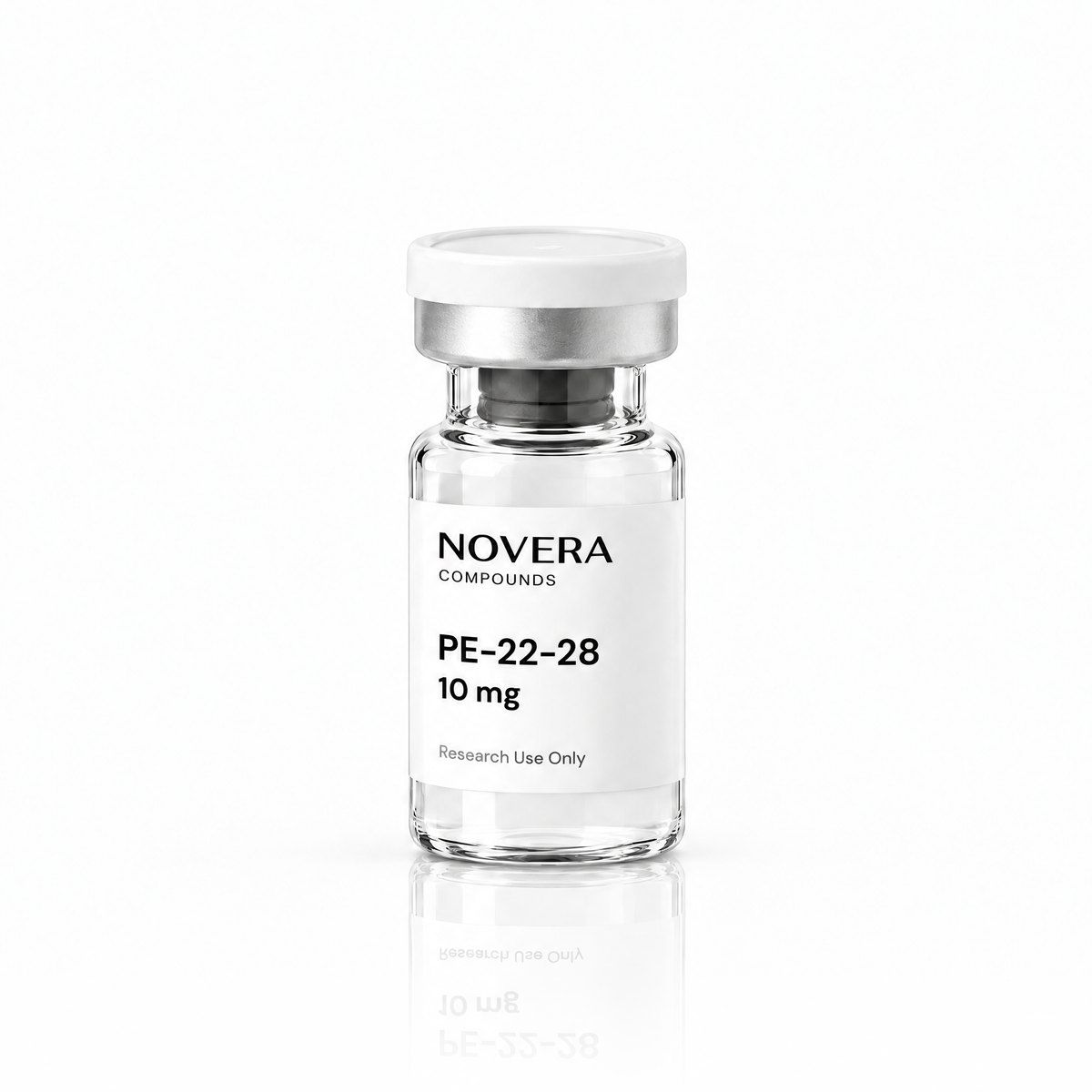
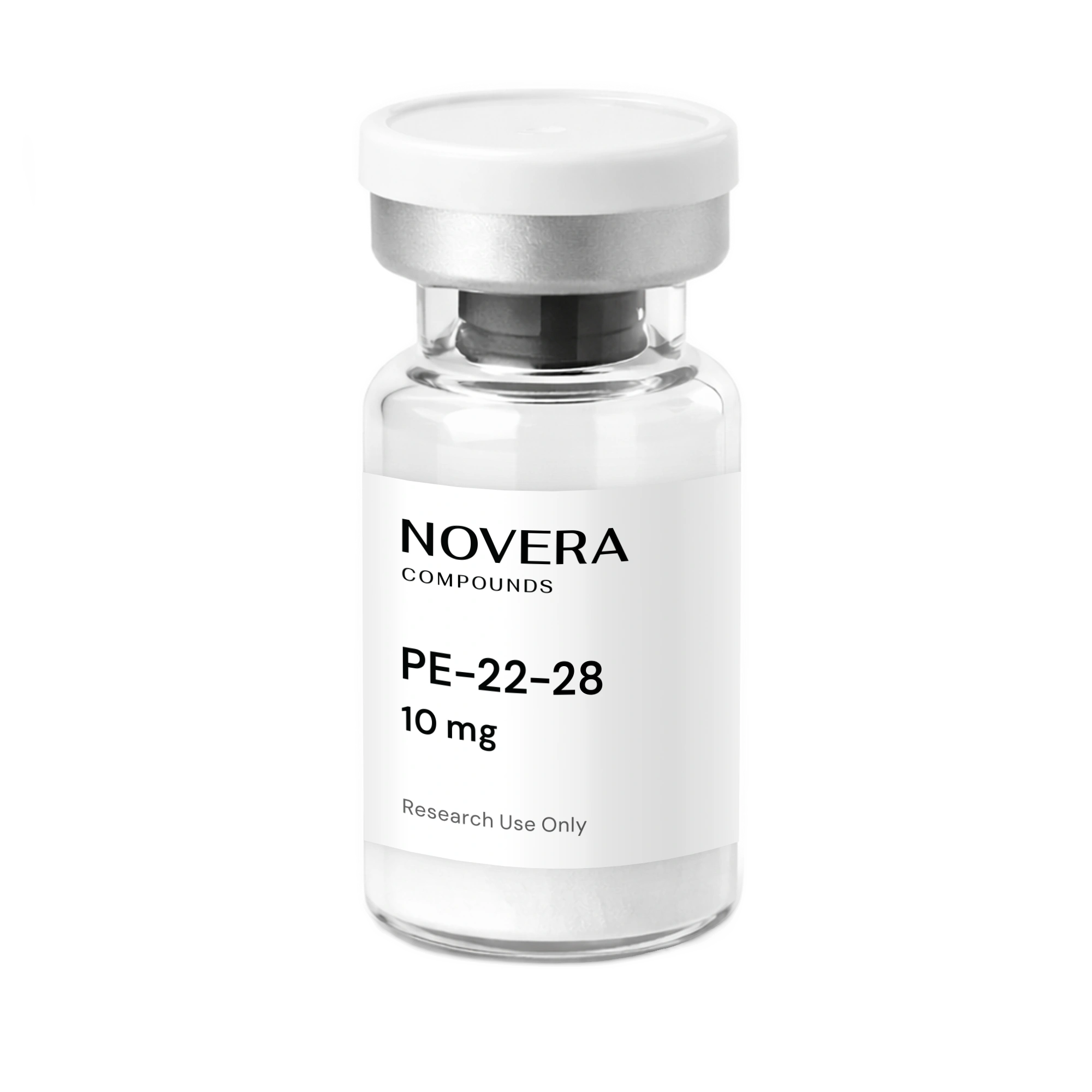
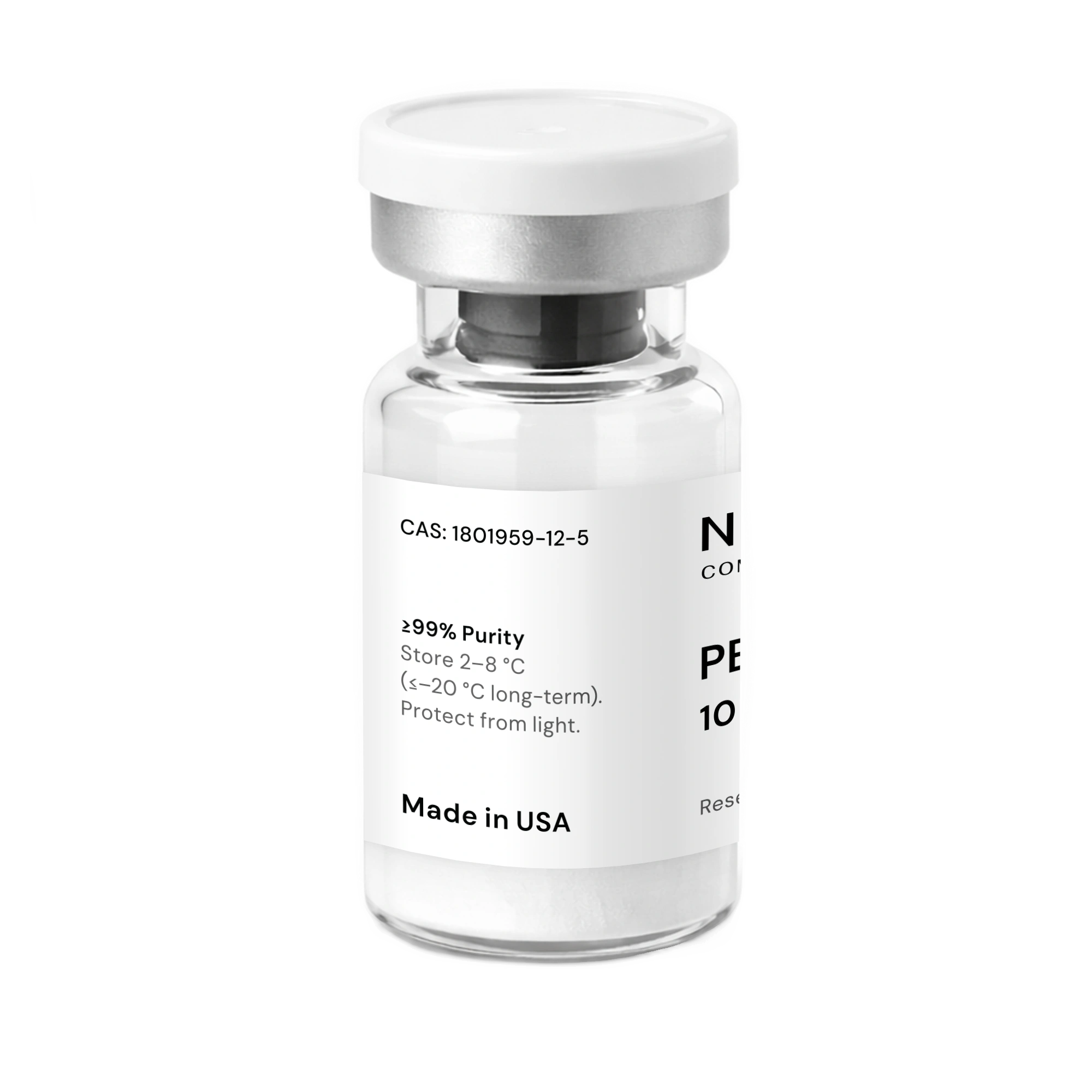
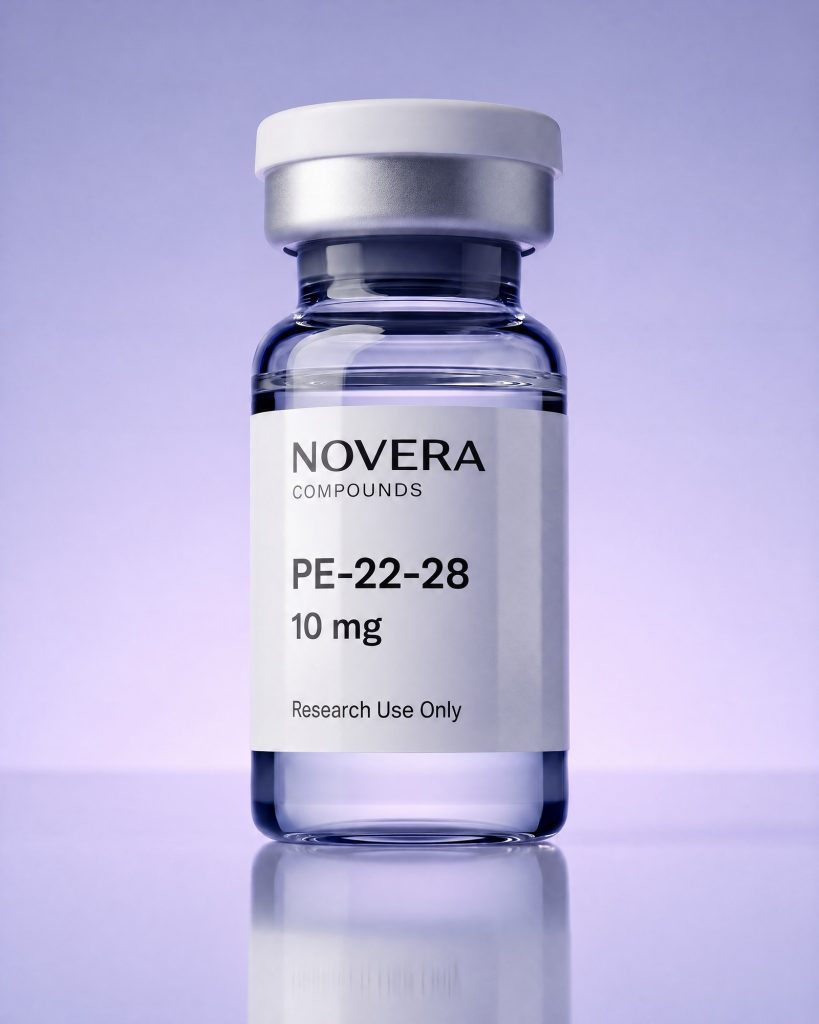
PE-22-28
For research and laboratory use only. Not for human or animal consumption.
Fast & Secure
Shipping
Shipping
Wrong or damaged?
Reship or refund
Reship or refund
Storage & handling: Store at 2–8 °C (≤ –20 °C long-term), away from light. Ships at ambient temperature.
Shipping
Regular tracked: $15 per order, 5 to 10 days. Express tracked: $25 per order, 3 to 5 days. Orders are dispatched within 24–48 business hours. Regular shipping is free on orders over $200 and express on orders over $400, after discounts.
Research & Education Tool
Peptide Dosage Calculator
Enter the vial amount, diluent volume, and target amount to estimate concentration, the draw volume on a U-100 syringe, and approximate vial yield.
For research and educational use only. Check all values against the product label, certificate of analysis, and any applicable professional guidance before relying on the result.
mg Common targets
Concentration
-
mcg / mL
Volume per Dose
-
-
Estimated Draws / Vial
-
rounded down to whole draws
Draw Reference
Enter values to estimate the syringe mark.
0
-
-
-
-
PE-22-28 10mg is supplied exclusively for laboratory research use through verified research supply channels. Each order includes Certificate of Analysis documentation and analytical confirmation.
Secure ordering platforms provide transparent unit information and reliable shipment tracking. Discreet packaging supports laboratory inventory management.
This compound is supplied strictly for research use only and is not approved for human or veterinary application.
Product overview
PE-22-28 10mg is intended strictly for research professionals conducting laboratory investigations focused on neuropeptide signaling behavior and receptor-mediated pathway characterization in controlled experimental models.
Researchers studying neuropeptide–receptor interaction dynamics may utilize this compound in in-vitro or preclinical systems. Neuropeptides are short amino-acid sequences that interact with cellular receptors to initiate measurable intracellular signaling events in experimental environments.
The peptide may be used in structured studies examining signal transduction mechanisms within neural cell models. Signal transduction describes how molecular signals are transmitted inside cells following receptor engagement. Scientists exploring multi-pathway signaling interaction dynamics may also investigate this compound under controlled laboratory conditions.
PE-22-28 is manufactured in USA GMP facilities. GMP stands for Good Manufacturing Practice and ensures standardized peptide quality and reproducibility for laboratory research.
This material is supplied exclusively for controlled scientific studies and is not intended for human or veterinary use.
Research focus
Neuropeptide Signaling Pathway Studies
PE-22-28 is utilized in laboratory models to investigate neuropeptide-mediated receptor interaction behavior and downstream intracellular signaling pathway marker dynamics.
Researchers may examine signal propagation characteristics, receptor engagement patterns, and pathway-specific molecular responses using standardized laboratory methods. Structured documentation supports reproducible and comparable data across studies.
Neural Signaling and Stress Response Research
Laboratory investigations may examine intracellular stress-response signaling markers in neuronal model systems. Stress-response pathways describe molecular signaling events activated under controlled experimental conditions.
Neuronal model responsiveness can be evaluated by measuring defined molecular markers. Multi-pathway neural signaling interactions may be quantified using biochemical assays that measure intracellular pathway activation.
PE-22-28 provides a tool for structured research into neuropeptide signaling and receptor-mediated pathway behavior. Verified synthesis supports consistent peptide integrity during extended research periods.
All applications are strictly limited to research environments.
Methodological notes
Research Protocol Guidelines
Research protocols vary according to study design. Experimental frameworks determine measurement intervals, sampling frequency, and observation points.
The 10mg vial format supports flexible allocation within laboratory planning. Researchers define experimental parameters according to institutional guidelines.
No clinical, diagnostic, or therapeutic use is permitted. The compound is not intended for human or veterinary administration.
Storage and Preparation
Store lyophilized powder at 2–8 °C before reconstitution. Lyophilized means freeze-dried to preserve molecular stability.
After reconstitution, maintain refrigeration and protect from light. Light exposure may influence molecular integrity.
Follow sterile laboratory handling procedures during preparation. Proper storage conditions support consistent research outcomes.
Study Duration Guidelines
Research duration depends on experimental objectives. Investigations may span variable timeframes depending on signaling pathways and molecular markers under study.
Researchers should document molecular markers and signaling measurements systematically. Structured records support reproducibility and data integrity.
Quality & sourcing
USA GMP Manufacturing
PE-22-28 is produced in certified USA GMP facilities. GMP compliance ensures standardized production, documentation, and batch consistency.
Each vial includes a Certificate of Analysis. A Certificate of Analysis confirms peptide sequence identity and purity metrics.
Strict quality controls verify molecular weight and composition, ensuring researchers receive a consistent, research-grade peptide suitable for analytical applications.
Chemical properties
- CAS: 1801959-12-5
- Chemical Formula: C₃₅H₅₅N₁₁O₉
- Molecular Weight: 773.8947 g/mol
- Peptide Sequence: Gly-Val-Ser-Trp-Gly-Leu-Arg
- Shelf life: 24 months from the manufacturing date.
Key features
Novel Research Peptide
PE-22-28 is a synthetic heptapeptide. A heptapeptide is a peptide composed of seven amino acids. Amino acids are the structural units that form peptide chains.
Its defined molecular structure allows investigation of peptide transport behavior and molecular interaction models in controlled laboratory systems. Experimental models may simulate selective transport barriers to study peptide movement and interaction characteristics.
The peptide supports reproducible experimental design. Reproducibility refers to the ability to obtain consistent results under identical laboratory conditions. Verified purity and structural confirmation provide reliability for neuropeptide signaling research.
Multi-Pathway Neural Signaling Investigations
PE-22-28 may be examined in neuronal model systems. Neuronal models are laboratory systems used to study nerve-cell-derived signaling behavior under controlled conditions.
Research protocols can explore intracellular signaling pathway markers associated with oxidative response models. Oxidative response pathways describe molecular signaling events triggered by controlled experimental stress conditions.
Inflammatory signaling pathway markers may also be evaluated. Inflammatory pathways refer to intracellular signaling cascades activated in response to defined experimental stimuli.
Neuropeptide-associated signaling activity can be measured using controlled biochemical assays. Assays are laboratory tests used to quantify molecular responses.
The peptide’s multi-pathway signaling profile allows broad investigation of neural signaling interaction dynamics in experimental systems.
USA GMP Manufacturing
PE-22-28 is produced in certified USA GMP facilities. GMP compliance ensures standardized production, documentation, and batch consistency.
Each vial includes a Certificate of Analysis. A Certificate of Analysis confirms peptide sequence identity and purity metrics.
Strict quality controls verify molecular weight and composition, ensuring researchers receive a consistent, research-grade peptide suitable for analytical applications.
Included
Express tracked
$25 per order · delivery in 3–5 days
- Tracked door to door, dispatched within 24–48 business hours
- Ambient shipping, safe for lyophilized peptides
Included
Regular tracked
$15 per order · delivery in 5–10 days
- Free on orders over $200
- Tracked door to door, dispatched within 24–48 business hours
How does PE-22-28 differ from other peptides?
PE-22-28 is a synthetic heptapeptide designed for laboratory studies on neuropeptide signaling and receptor interaction behavior. Its defined sequence supports controlled investigation of molecular interaction dynamics in experimental systems.
What research areas does PE-22-28 support?
It supports laboratory studies involving neuropeptide signaling pathways, receptor interaction models, and intracellular signaling cascade analysis in controlled experimental environments.
Can PE-22-28 be used with other peptides?
Laboratory protocols may explore combination models with additional research compounds. Experimental compatibility and study objectives should guide design planning.
Lab results
View all lab reports- CAS: 1801959-12-5
- Chemical Formula: C₃₅H₅₅N₁₁O₉
- Molecular Weight: 773.8947 g/mol
- Peptide Sequence: Gly-Val-Ser-Trp-Gly-Leu-Arg
- Shelf life: 24 months from the manufacturing date.
Free shipping over $200
Save up to 25%.
Build the researcher’s box: any compounds, any doses, one order, and every vial costs less.

3 vials
save 5%

12 vials
save 15%

50 vials
save 25%
Delivered tracked, every order.
Shipping options
Dispatched in 24–48 business hours.
Regular tracked$15 per order · 5 to 10 days
Express tracked$25 per order · 3 to 5 days
Free shippingRegular over $200 · express over $400, after discounts
Researchers often ask
Is PE-22-28 for human use?
No. PE-22-28 is sold for laboratory research only. It is not for human or veterinary use, and it is not a drug, food or cosmetic.
How do I find the lab report?
Use View COAs on the product page, or search the COA library by compound name. The summary is public; the signed PDF reports are available to signed-in researchers.
Why is purity measured by LC-MS?
LC-MS separates the sample and identifies each component by its mass, so one run confirms identity and measures purity.
When will my order ship?
Orders are dispatched within 24–48 business hours. Regular tracked delivery takes 5 to 10 days and express tracked 3 to 5 days. Regular shipping is free on orders over $200 and express on orders over $400, after discounts.
You might also like
The Lab Journal
All articlesThymic Peptides
Cytokine Expression Assays in Thymic Peptide Research
Introduction Cytokine expression assays are laboratory methods used to detect and quantify cytokines that cultured cells release or produce. A…
Nov 2, 2026
· 8 min read
Thymic Peptides
LL-37 in Antimicrobial Peptide Research
LL-37 is a frequently studied antimicrobial peptide in laboratory research. The compound is a 37-amino-acid peptide derived from the human…
Oct 28, 2026
· 11 min read
Secretagogues
The GHRP Family in Peptide Research (GHRP-6, GHRP-2, Hexarelin)
GHRP-6, GHRP-2, and Hexarelin are synthetic growth-hormone-releasing peptides studied in ghrelin receptor research. Although they belong to the same family,…
Oct 14, 2026
· 12 min read
Secretagogues
Somatotropic Pathway Research with Peptides
This article is written for academic researchers and professionals qualified to handle research-grade compounds. It is a laboratory reference and…
Oct 5, 2026
· 8 min read