 Best Sellers
 Metabolic
 Regenerative
 Secretagogues
 Bioregulators
 Neuropeptides









Lot-linked lab report
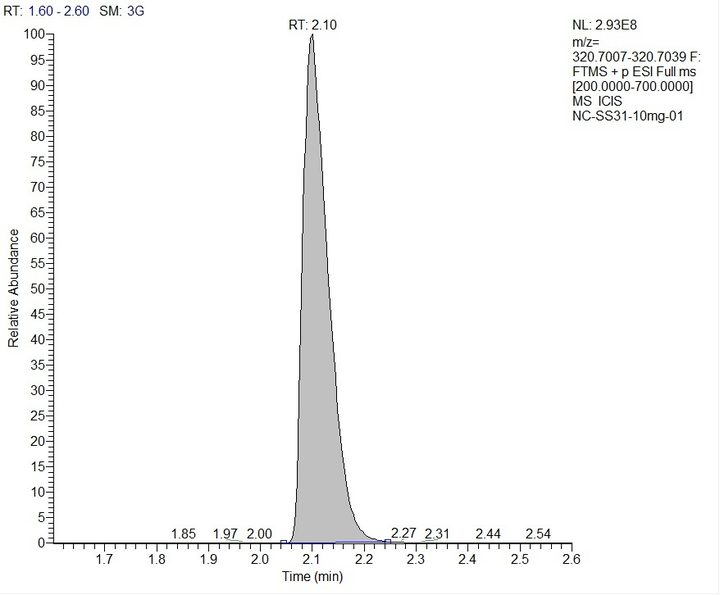
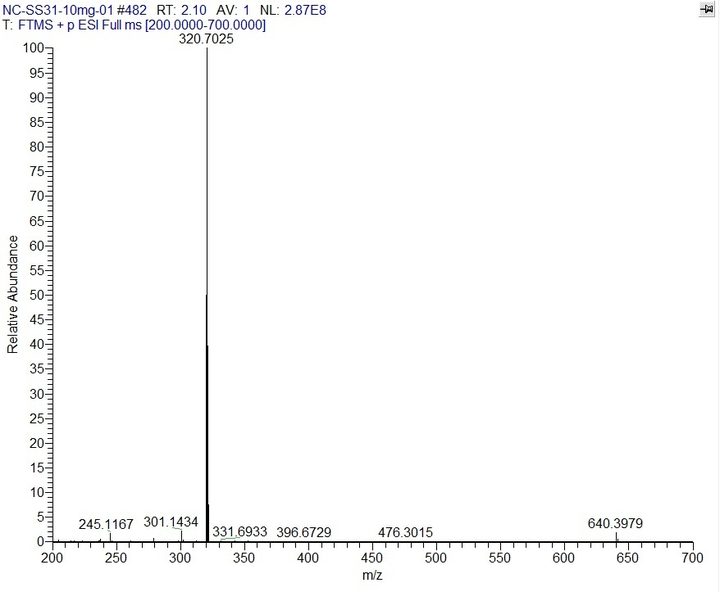
Identity confirmed by LC-MS
Made in the USA
Third-party lab tested
1 Apr 202699.30% purityIdentity & purity testedLot 395405
Lab report published: 99.30% purity, lot 395405
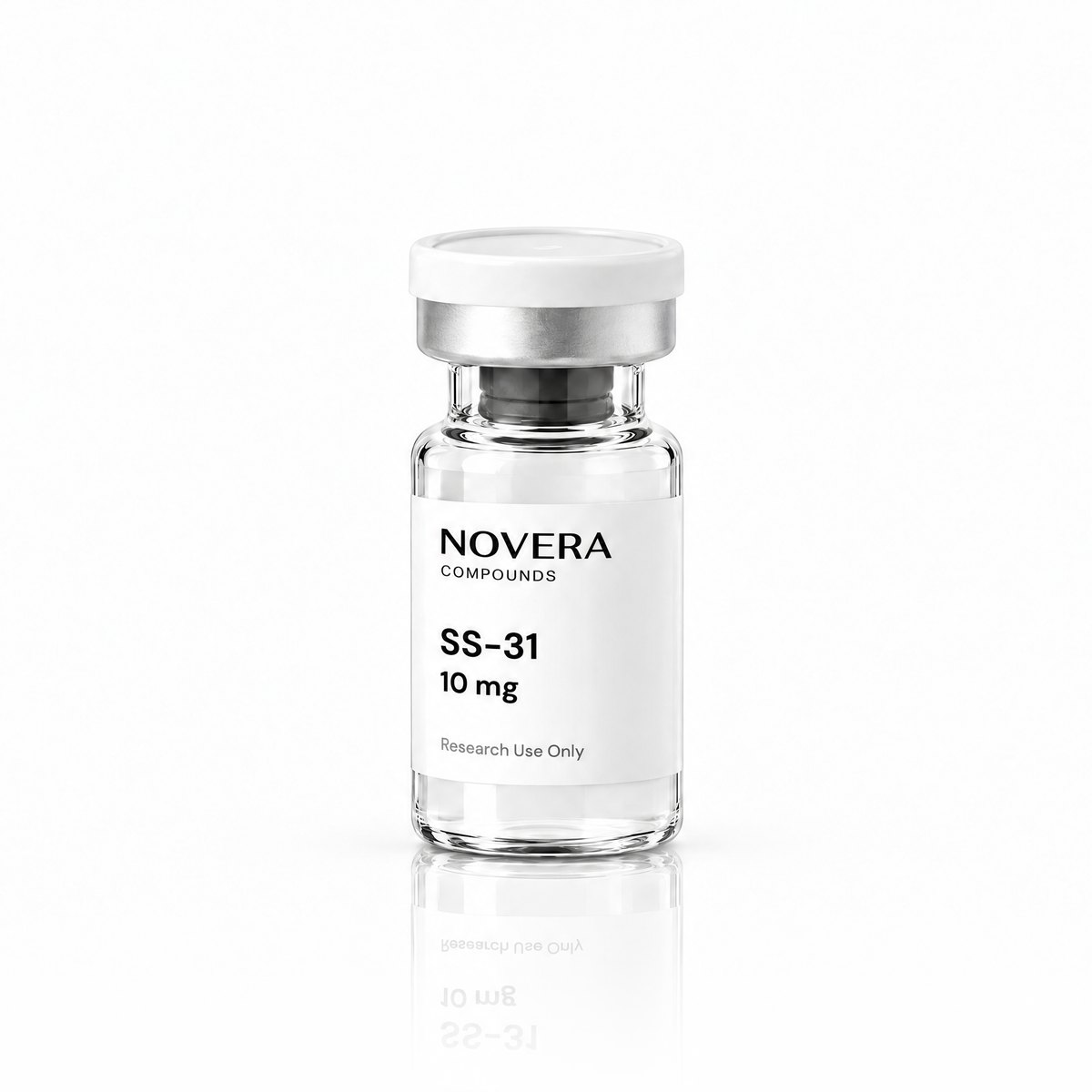
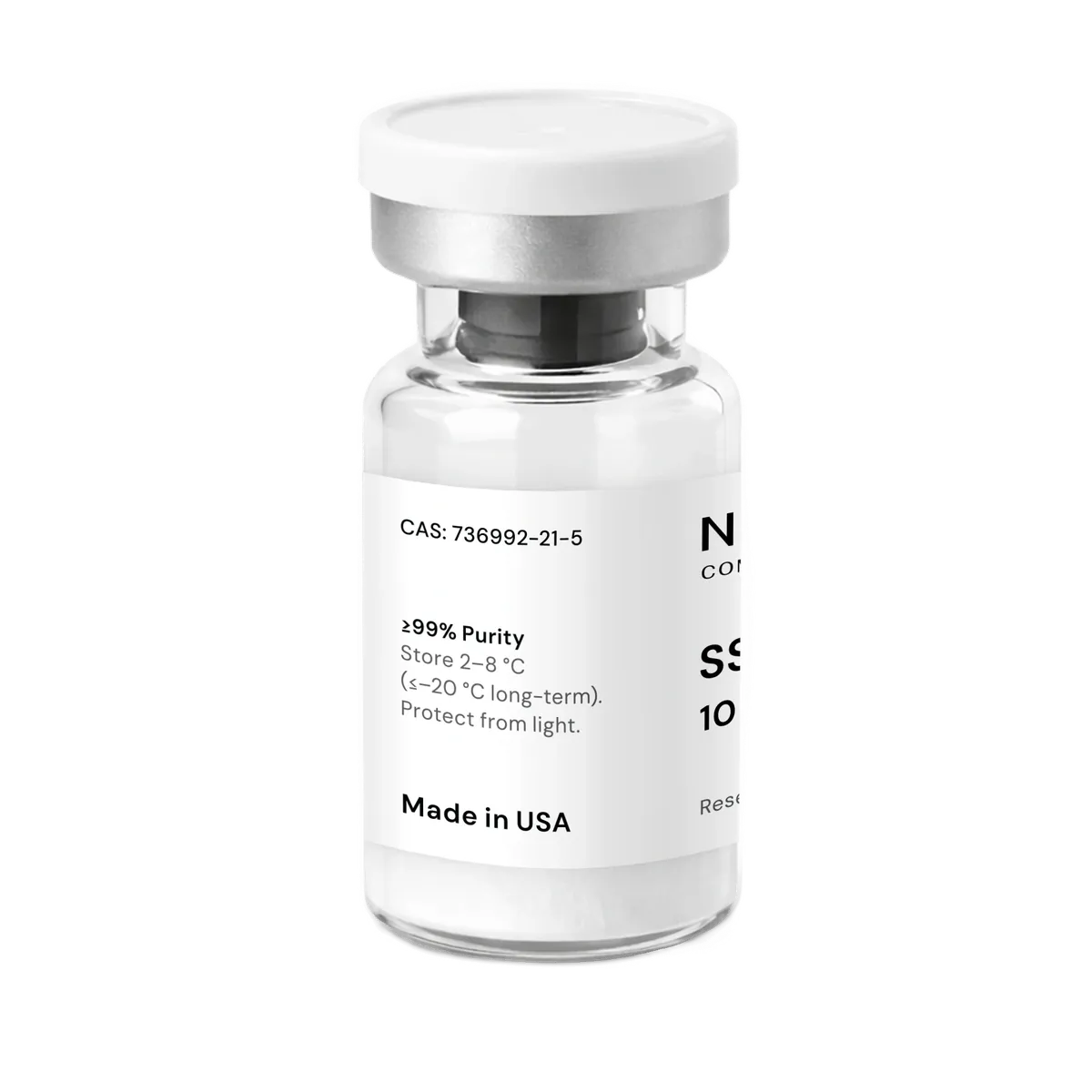
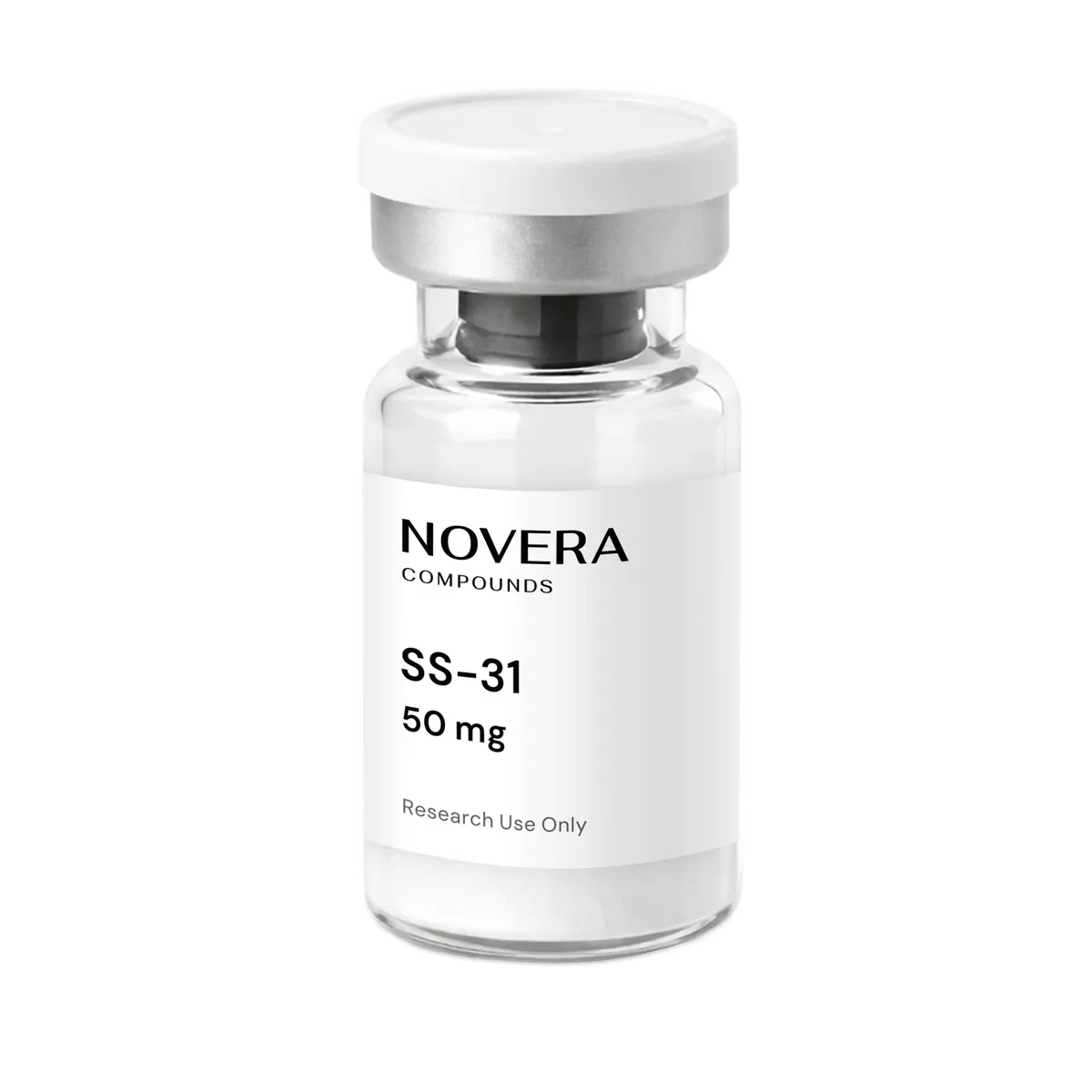
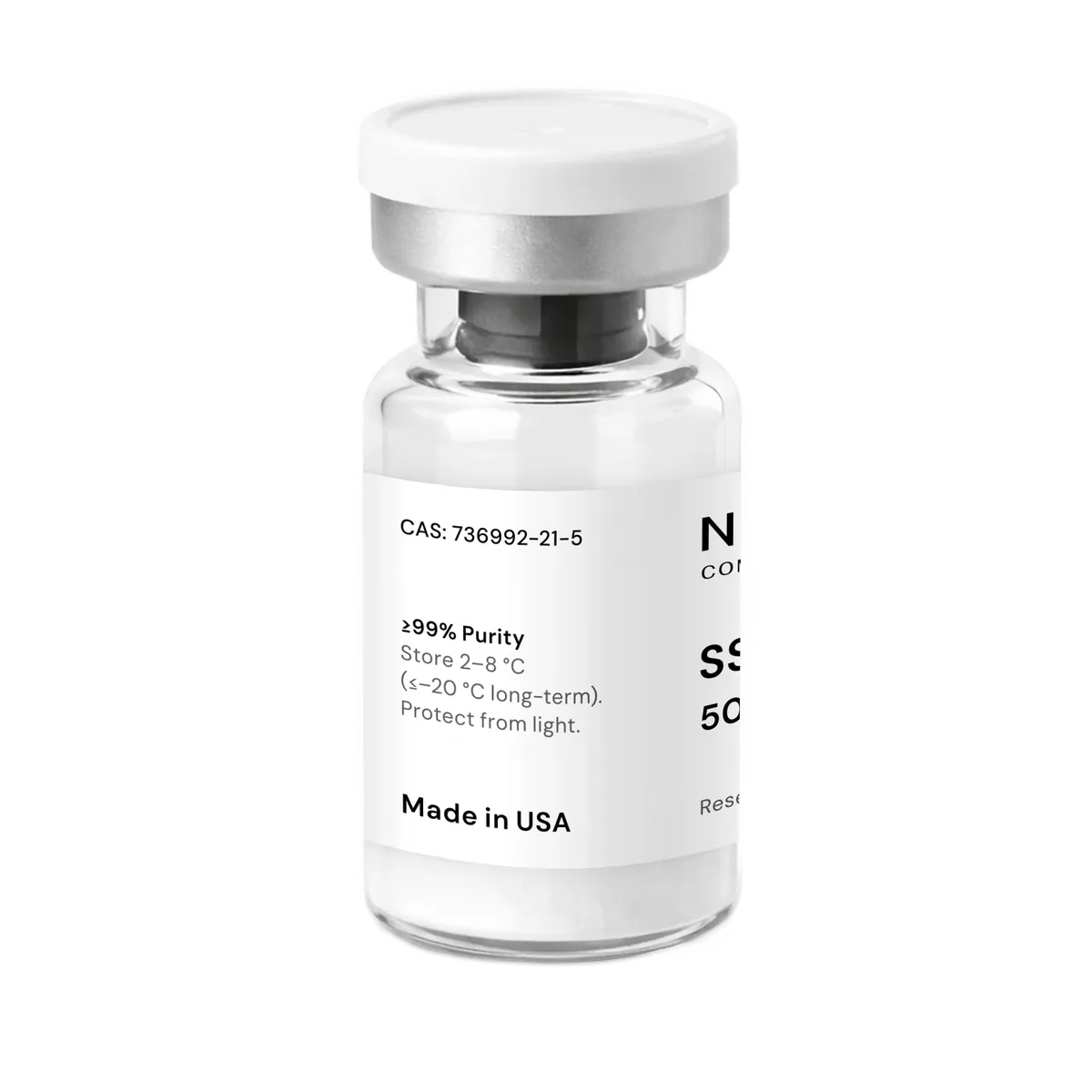
SS-31
For research and laboratory use only. Not for human or animal consumption.
Fast & Secure
Shipping
Shipping
Third-Party
Lab Tested
Lab Tested
Wrong or damaged?
Reship or refund
Reship or refund
Storage & handling: Store at 2–8 °C (≤ –20 °C long-term), away from light. Ships at ambient temperature.
How we test
Certificates are issued by independent labs. Identity and purity are measured by LC-MS; endotoxin, where listed, by a LAL screen. The latest report for this option: Identity & purity tested, lot 395405, tested 1 Apr 2026.
How to read your COA
Start with the lot number on the report. Identity confirms by mass spectrometry that the molecule is the one on the label. Purity is the share of the sample that is the target peptide, measured by LC-MS. Endotoxin, where tested, is screened by LAL and must sit below 0.5 EU/mL. The lab name and test date show who ran it and when.
Shipping
Regular tracked: $15 per order, 5 to 10 days. Express tracked: $25 per order, 3 to 5 days. Orders are dispatched within 24–48 business hours. Regular shipping is free on orders over $200 and express on orders over $400, after discounts.
Research & Education Tool
Peptide Dosage Calculator
Enter the vial amount, diluent volume, and target amount to estimate concentration, the draw volume on a U-100 syringe, and approximate vial yield.
For research and educational use only. Check all values against the product label, certificate of analysis, and any applicable professional guidance before relying on the result.
mg Common targets
Concentration
-
mcg / mL
Volume per Dose
-
-
Estimated Draws / Vial
-
rounded down to whole draws
Draw Reference
Enter values to estimate the syringe mark.
0
-
-
-
-
SS-31 from Elivena provides research teams with a COA-verified, USA GMP-sourced mitochondria-targeting tetrapeptide for preclinical inner mitochondrial membrane pharmacology, cardiolipin interaction dynamics, and oxidative phosphorylation pathway marker studies. Each vial delivers a consistently characterized tetrapeptide sequence to approximately 99% purity with full batch documentation. Global secure shipping is available for laboratory orders. Every order includes COA documentation, handling instructions, and access to technical support for mitochondria-targeting peptide experimental protocol design across cardiac, neuronal, and bioenergetics model systems.
Product overview
SS-31 is suited for research teams investigating mitochondria-targeting peptide pharmacology, inner mitochondrial membrane interaction dynamics, and bioenergetics pathway marker quantification in controlled cell-based and preclinical models. Laboratories studying cardiolipin binding affinity characterization, reactive oxygen species (ROS) production pathway dynamics, or ATP synthesis regulatory marker activity will find this tetrapeptide relevant to mechanistic study designs.Supplied by Elivena from USA GMP-certified manufacturing facilities, each vial is COA-verified for purity and sequence identity to approximately 99%.
Research focus
Inner Mitochondrial Membrane Pharmacology Studies
SS-31 supports in-vitro investigation of IMM-localized peptide interaction dynamics, cardiolipin binding affinity characterization, and respiratory supercomplex structural integrity parameter quantification in isolated mitochondria and cell-based experimental systems. Researchers examining the relationship between cardiolipin interaction and ETC complex I–IV activity marker expression use SS-31 as a primary reference compound for mitochondria-targeting peptide pharmacology study designs.
Oxidative Stress and ROS Production Pathway Research
Laboratories studying mitochondria-associated oxidative stress pathway dynamics use SS-31 to examine ROS production endpoint quantification, superoxide dismutase pathway marker activity, and mitochondrial membrane lipid peroxidation assay outcomes under experimentally induced oxidative stress conditions. Multi-timepoint study designs allow systematic characterization of SS-31’s interaction with ROS production pathway markers across acute and chronic exposure experimental protocols.
SS-31 is studied in preclinical cardiac model systems for its effects on mitochondrial integrity marker dynamics during ischemia-reperfusion experimental conditions. Research quantifying cardiomyocyte mitochondrial membrane potential marker activity, cytochrome c release assay endpoints, and ATP synthesis pathway marker expression following ischemic challenge uses SS-31 to examine the molecular consequences of IMM-targeted cardiolipin interaction in cardiac cell mitochondrial stress models.
Neuroprotection and Neuronal Bioenergetics Research
Laboratories investigating the relationship between IMM integrity, ETC efficiency marker activity, and neuronal ATP synthesis pathway endpoint expression under oxidative or metabolic stress conditions use SS-31 to characterize mitochondria-targeting peptide activity in neural cell mitochondrial model systems.
Methodological notes
Preparation Guidelines
Reconstitute lyophilized SS-31 with sterile bacteriostatic water using standard sterile laboratory technique. Reconstitution volume should be determined based on the target experimental working concentration specified by the study design. Research protocols typically employ experimental concentrations ranging from 0.Use calibrated laboratory equipment for all preparation steps.
Storage Conditions
Store lyophilized peptide at 2–8°C in a cool, dark environment prior to reconstitution. SS-31 does not require cold-chain shipping and maintains stability during transit under standard shipping conditions. Following reconstitution, maintain refrigeration at 2–8°C; reconstituted peptide is stable for approximately 2–3 weeks under appropriate storage conditions. Protect from light throughout storage. Each vial supplied by Elivena includes COA documentation and handling guidance.
Protocol Duration Guidelines
Research protocols using SS-31 range from acute single-dose studies to extended multi-week observation designs depending on the mitochondrial pathway endpoints under investigation. Mitochondrial membrane integrity and bioenergetics marker studies typically span 4–12 weeks.Monitor ETC activity markers, ROS production pathway endpoints, ATP synthesis regulatory markers, and mitochondrial membrane integrity parameters at defined experimental timepoints throughout the observation period.
Quality & sourcing
USA GMP-Certified Supply via Elivena
Elivena supplies SS-31 sourced from USA GMP-certified manufacturing facilities, verified to approximately 99% purity by independent third-party COA documentation. Each vial confirms the complete tetrapeptide sequence identity, purity grade, and batch-specific quality control data — providing research laboratories with consistent, research-grade material for advanced mitochondrial membrane pharmacology and bioenergetics research.
Chemical properties
- CAS: 736992-21-5
- Chemical Formula: C₃₂H₄₉N₉O₅
- Molecular Weight: 639.8 g/mol
- Peptide Sequence: D-Arg-dimethyl-Tyr-Lys-Phe-NH2
- Synonyms: MTP-131, Elamipretide
Key features
Selective Inner Mitochondrial Membrane Targeting Profile
SS-31 (Elamipretide) is a synthetic aromatic-cationic tetrapeptide — a four-amino acid sequence — characterized by its selective localization to the inner mitochondrial membrane (IMM). The peptide’s alternating aromatic and cationic residues enable electrostatic-driven mitochondrial uptake, concentrating SS-31 at the IMM independently of mitochondrial membrane potential. This targeting mechanism distinguishes SS-31 from membrane potential-dependent mitochondria-targeting compounds and makes it a relevant tool for studying IMM-localized pharmacological interactions under both healthy and depolarized mitochondrial conditions.
Cardiolipin Binding Interaction Dynamics
SS-31 is studied for its high-affinity interaction with cardiolipin — a dimeric phospholipid exclusive to the inner mitochondrial membrane that plays a structural and functional role in respiratory chain supercomplex organization, cytochrome c anchoring, and electron transport chain (ETC) efficiency. Researchers use SS-31 to examine how cardiolipin binding influences ETC complex activity marker expression, cytochrome c interaction dynamics, and mitochondrial membrane curvature parameters in controlled in-vitro membrane model systems and isolated mitochondria preparations.
Oxidative Phosphorylation and ROS Pathway Marker Research
SS-31 is studied for its effects on reactive oxygen species (ROS) production pathway dynamics and oxidative phosphorylation efficiency marker activity in mitochondrial experimental models. By interacting with cardiolipin and supporting respiratory supercomplex structural integrity, SS-31 enables researchers to examine downstream consequences on ETC electron leak marker activity, superoxide production pathway endpoint quantification, and ATP synthesis regulatory marker expression under baseline and oxidative stress-induced experimental conditions.
USA GMP-Certified Supply via Elivena
Elivena supplies SS-31 sourced from USA GMP-certified manufacturing facilities, verified to approximately 99% purity by independent third-party COA documentation. Each vial confirms the complete tetrapeptide sequence identity, purity grade, and batch-specific quality control data — providing research laboratories with consistent, research-grade material for advanced mitochondrial membrane pharmacology and bioenergetics research.
Included
Express tracked
$25 per order · delivery in 3–5 days
- Tracked door to door, dispatched within 24–48 business hours
- Ambient shipping, safe for lyophilized peptides
Included
Regular tracked
$15 per order · delivery in 5–10 days
- Free on orders over $200
- Tracked door to door, dispatched within 24–48 business hours
What distinguishes SS-31 from other mitochondria-targeting research compounds?
SS-31’s primary distinguishing feature is its membrane potential-independent selective localization to the inner mitochondrial membrane, driven by electrostatic interaction with cardiolipin rather than mitochondrial membrane potential gradient. This allows IMM-targeted pharmacological investigation under both polarized and depolarized mitochondrial conditions — including ischemia-reperfusion experimental models where membrane potential is reduced — making it a mechanistically distinct tool compound relative to membrane potential-dependent mitochondria-targeting agents.
How stable is SS-31 following reconstitution?
Reconstituted SS-31 maintained at 2–8°C under appropriate refrigeration conditions is generally stable for approximately 2–3 weeks. Lyophilized material prior to reconstitution does not require cold-chain shipping and remains stable under standard transit conditions when stored at 2–8°C upon receipt. Reconstitution timing should be planned in accordance with the experimental administration schedule to optimize peptide integrity throughout the protocol.
What experimental models are most relevant for SS-31 research?
SS-31 is studied across in-vitro isolated mitochondria preparations, cell-based bioenergetics assay systems, and preclinical in-vivo models. Particularly relevant experimental contexts include cardiac ischemia-reperfusion models, neuronal oxidative stress challenge systems, and age-associated mitochondrial dysfunction model designs. Model selection and endpoint definition should be determined based on the specific IMM interaction mechanism, ROS pathway, or bioenergetics signaling dynamic under investigation.
Lab report for lot 395405
View all lab reportsCertificate of analysis
99.30%
Purity by LC-MS
- Lot · 10 mg
- 395405
- Tested
- Apr 1, 2026
- Labeled
- 10 mg
- Measured
- 12.23 mg
LC-MS · independent lab
View certificate | Test | Method | Result | Status |
|---|---|---|---|
| Identity | LC-MS | Confirmed SS-31 | PASS |
| Purity | LC-MS · spec >99% | 99.30% | PASS |
| Net content | LC-MS quantitation | 12.23 mg of 10 mg | PASS |
| Appearance | Visual | White lyophilized powder | REPORTED |
| Endotoxin | LAL | — | NOT TESTED |
No certificate is on file for the 50 mg option yet. On file for:
Batch tests: Purity
1 lab report available to signed-in researchers.
- CAS: 736992-21-5
- Chemical Formula: C₃₂H₄₉N₉O₅
- Molecular Weight: 639.8 g/mol
- Peptide Sequence: D-Arg-dimethyl-Tyr-Lys-Phe-NH2
- Synonyms: MTP-131, Elamipretide
Read the lot first.
Identity confirmed
LC-MS confirms the molecule in the vial is SS-31.
Purity measured
The same LC-MS run measures the share that is the target peptide.
Lot-linked report
Each report names the lot it was run on.
Each lab report is tied to its lot.
Reports are issued by independent labs and name the lot they were run on.
How we test
Lab reportIdentity & purity tested, for the lot tested.
Lot numberPrinted on the report, so you can see which lot was tested.
Step 1
Synthesis and lyophilization
Synthesized and freeze-dried in US facilities, then given a lot number.
Step 2
Samples go to third-party labs
Finished vials from the lot are sent to independent labs.
Step 3
LC-MS: identity, purity, net content
One run confirms the molecule and measures its purity.
Step 4
LAL endotoxin screen
Bacterial endotoxin is checked against a 0.5 EU/mL limit.
Step 4
Certificate published
The summary goes on the product page; full PDFs are for signed-in researchers.
Store at 2 to 8 °C. Keep sealed and away from light until use.
Free shipping over $200
Save up to 25%.
Build the researcher’s box: any compounds, any doses, one order, and every vial costs less.

3 vials
save 5%

12 vials
save 15%

50 vials
save 25%
Delivered tracked, every order.
Shipping options
Dispatched in 24–48 business hours.
Regular tracked$15 per order · 5 to 10 days
Express tracked$25 per order · 3 to 5 days
Free shippingRegular over $200 · express over $400, after discounts
Testing that sets a higher standard.
Certificates come from independent labs, and each result sits next to its method.
Independent labs
Identity and purity by LC-MS
Researchers often ask
Is SS-31 for human use?
No. SS-31 is sold for laboratory research only. It is not for human or veterinary use, and it is not a drug, food or cosmetic.
How do I find the lab report?
Use View COAs on the product page, or search the COA library by compound name. The summary is public; the signed PDF reports are available to signed-in researchers.
Why is purity measured by LC-MS?
LC-MS separates the sample and identifies each component by its mass, so one run confirms identity and measures purity.
When will my order ship?
Orders are dispatched within 24–48 business hours. Regular tracked delivery takes 5 to 10 days and express tracked 3 to 5 days. Regular shipping is free on orders over $200 and express on orders over $400, after discounts.
You might also like
The Lab Journal
All articlesThymic Peptides
Cytokine Expression Assays in Thymic Peptide Research
Introduction Cytokine expression assays are laboratory methods used to detect and quantify cytokines that cultured cells release or produce. A…
Nov 2, 2026
· 8 min read
Thymic Peptides
LL-37 in Antimicrobial Peptide Research
LL-37 is a frequently studied antimicrobial peptide in laboratory research. The compound is a 37-amino-acid peptide derived from the human…
Oct 28, 2026
· 11 min read
Secretagogues
The GHRP Family in Peptide Research (GHRP-6, GHRP-2, Hexarelin)
GHRP-6, GHRP-2, and Hexarelin are synthetic growth-hormone-releasing peptides studied in ghrelin receptor research. Although they belong to the same family,…
Oct 14, 2026
· 12 min read
Secretagogues
Somatotropic Pathway Research with Peptides
This article is written for academic researchers and professionals qualified to handle research-grade compounds. It is a laboratory reference and…
Oct 5, 2026
· 8 min read